
Why do we need more fibre in our diet? Did...
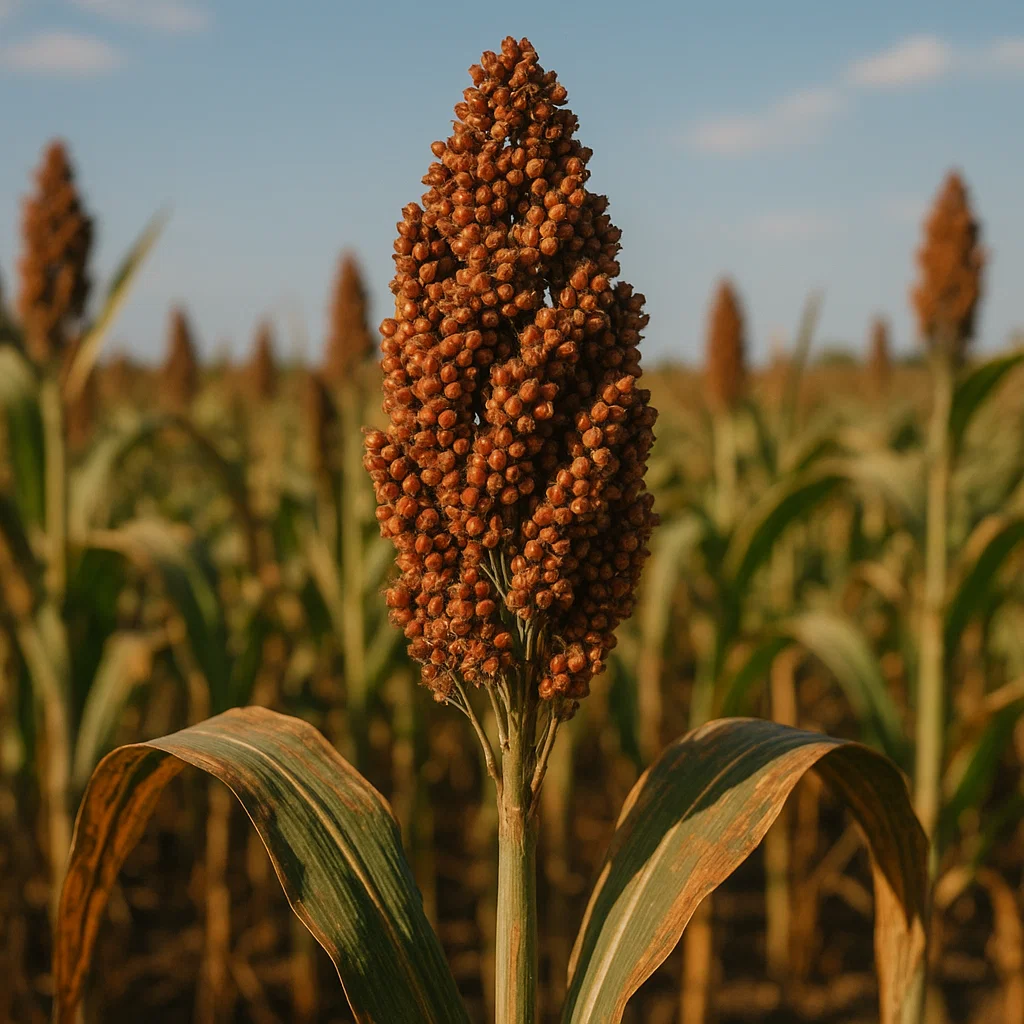
Read MoreWhen people talk about ancient grains, they often forget about sorghum grain. But Sorghum grain has one of the most interesting stories in the food history. From growing wild in Africa thousands of years ago to becoming a superfood that helps fight hunger and climate change today, sorghum grain's journey is wild and interesting.
Where Did Sorghum Grain (Jowar) Originiated From?
Sorghum Grain was found in Africa more than 8,000 years ago. Scientists believe it first grew wild in the grasslands of Sudan and Ethiopia. Local people discovered this tough plant that could grow where other crops failed – in hot, dry places with poor soil [1].
The name “sorghum” comes from an old Italian word “sorgo,” but African people had many names for it long time before. In different African languages, it was called:
- Dawa (Ethiopia)
- Mtama (Swahili)
- Kafir corn (South Africa – though this old name is not used anymore)
So, what made early farmers love sorghum – it survived when everything else died. Even during the worst droughts, sorghum plants would still make grain that families could eat.
Sorghum Travels the World
As people moved across continents, they took sorghum seeds with them. This is how ancient grains spread around the world:
To Asia
Arab traders brought sorghum to India and China around 3,000 years ago. In India, people called it “jowar” and it became very important, especially in dry states like Rajasthan and Maharashtra. Even today, millions of Indian families eat jowar rotis (flatbreads) every day [2]. Jowar rotis are great source of fibre and digests much faster than wheat rotis. Many indian villegers live on jowar roti event today.
To Europe
Europeans first saw sorghum when they traded with African and Asian merchants. But the cool, wet climate of Europe was not good for this heat-loving plant, so it never became popular there.
To America
Sorghum came to America through the slave trade. African people who were forced to come to America brought sorghum seeds hidden in their hair and clothes. For them, these seeds were a piece of home and survival [3].
Later, American farmers started growing sorghum officially. In the 1800s, they brought different types from Africa and Asia to see which ones grew best in American conditions.
Why Sorghum is different from other grains?
What makes sorghum different from other grains? There are many things:
Sorghum is tough Against Weather
Sorghum can handle what other crops cannot:
- Very hot temperatures (up to 50°C)
- Needs very little water
- It can handle strong winds
- It can grow in poor soil
- It can grow in salty ground
Drought resistance made it perfect for places like the American Great Plains, where wheat sometimes failed.
No Gluten – Naturally Gluten Free Grain
Unlike wheat, barley, and rye, sorghum has no gluten. This makes it safe for people with celiac disease or gluten sensitivity. Today, this is one reason why sorghum is becoming popular again in rich countries [4].
Nutrition Profile of Sorghum
Sorghum is not just tough – it’s also healthy and nutritious. It has:
- Protein for strong muscles
- Fiber for good digestion
- Iron for healthy blood
- Antioxidants that fight disease
- B vitamins for energy
Different Types of Sorghum
Not all sorghum is the same. There are many varieties:
Grain Sorghum
This is the type people eat. The seeds can be white, yellow, red, or brown. Each color has slightly different taste and nutrition.
Sweet Sorghum
This type is grown for its sweet juice, like sugarcane. People make syrup from it. In some places, they also make alcohol.
Forage Sorghum
Farmers grow this type to feed animals. The whole plant is used, not just the seeds.
Broomcorn Sorghum
This special type has long, stiff branches that people use to make brooms and brushes.
Sorghum in Modern Days
For many years, especially in rich countries, people forgot about sorghum. Wheat, rice, and corn became more popular. But now sorghum is making a comeback for several reasons:
Fighting Climate Change
As the world gets hotter and drier, farmers need crops that can handle extreme weather. Sorghum’s natural toughness makes it perfect for climate-smart agriculture. It uses much less water than corn or rice [5].
Health Food Trend
More people want gluten-free foods and whole grains. Sorghum fits both needs perfectly. Health food companies now make sorghum flour, cereals, and snacks.
Food Security and Fighting Hunger
In poor countries, especially in Africa, sorghum helps fight hunger. It grows where other crops fail and gives nutrition when families need it most. The United Nations calls it one of the most important crops for food security [6].
How People Use Sorghum Today
Sorghum is used in many ways around the world:
In Africa
- Ground into flour for porridge
- Made into flatbreads
- Fermented into beer and other drinks
- Cooked whole like rice
In India
- Jowar rotis (flatbreads) eaten daily
- Mixed with other flours for variety
- Made into sweet dishes for festivals
In America
- Most sorghum feeds animals
- But human food use is growing fast
- Used in gluten-free products
- Made into syrup like molasses
In Other Countries
- Australia grows sorghum for export
- China uses it for animal feed and some human food
- Mexico makes traditional drinks with it
Challenges for Sorghum Farming
Even though sorghum is tough, farmers still face problems:
Market Issues
Many people don’t know how to cook sorghum. This means less demand and lower prices for farmers.
Processing Problems
Unlike wheat or rice, there are fewer machines designed specifically for processing sorghum. This makes it harder to prepare for market.
Taste Preferences
Some types of sorghum have compounds called tannins that make them taste bitter. Plant scientists are working to develop sweeter varieties [7].
Competition from Other Crops
Government subsidies often favor corn, wheat, and rice over sorghum, even in places where sorghum might grow better.
The Future of Sorghum
Scientists and farmers are excited about sorghum’s future. Here’s why:
New Varieties
Plant breeders are creating new types of sorghum that:
- Taste better
- Have more nutrition
- Resist diseases better
- Yield more grain per plant
Better Processing
New machines and techniques make it easier to turn sorghum into flour, cereals, and other products people want.
Climate Adaptation
As climate change makes farming harder, more countries are looking at sorghum as a sustainable crop that can feed people when other grains fail [8].
Biofuel Potential
Some types of sorghum can be turned into ethanol fuel. This gives farmers another way to make money from their crop.
Sorghum Success Stories
Senegal’s Sorghum Revival
In Senegal, farmers were abandoning sorghum for imported rice. But when rice prices went up and droughts hit, they returned to traditional sorghum varieties. Now rural families are more food secure [9].
Australia’s Sorghum Boom
Australia has become one of the world’s biggest sorghum exporters. Farmers in Queensland grow it because it handles heat and dry conditions better than wheat.
American Gluten-Free Market
In the USA, sorghum sales for human food have grown 300% in the last 10 years as more people want gluten-free options.
The Story So far…
The story of milltes and specially sorghum shows us something important. Sometimes the oldest solutions are the best ones for new problems. This ancient grain that fed African families 8,000 years ago might be exactly what we need to feed the world in our changing climate.
Sorghum is not just a grain, it’s a survivor. It has traveled across continents, adapted to different climates, and fed billions of people. As we face challenges like climate change, population growth, and health problems, sorghum’s story is still being written.
Maybe it’s time for more people to discover this amazing grain. Whether you call it sorghum, jowar, or by its many other names, this tough little seed has earned its place as one of humanity’s most important crops.
The sorghum’s story is just beginning. And it looks very promising.
References:
[1] Doggett, H. (2024). “Sorghum: Origins and Evolution.” International Crops Research Institute for the Semi-Arid Tropics (ICRISAT). https://www.icrisat.org/sorghum-origins-evolution/
[2] National Sample Survey Office, India. (2023). “Household Consumption of Various Goods and Services in India, 2022-23.” Government of India Statistics. https://www.mospi.gov.in/sites/default/files/publication_reports/NSS_Report_606.pdf
[3] Carney, J.A. (2023). “Black Rice: The African Origins of Rice Cultivation in the Americas.” Harvard University Press Agricultural History Review. https://www.hup.harvard.edu/catalog.php?isbn=9780674008342
[4] Celiac Disease Foundation. (2024). “Gluten-Free Grains and Starches.” https://celiac.org/gluten-free-living/what-is-gluten/sources-of-gluten/
[5] Food and Agriculture Organization of the United Nations. (2024). “Climate-Smart Agriculture Sourcebook: Sorghum Production.” FAO Publications. https://www.fao.org/climate-smart-agriculture-sourcebook/production-resources/module-b1-crops/chapter-b1-6/en/
[6] World Food Programme. (2023). “The State of Food Security and Nutrition in the World 2023.” United Nations Publications. https://www.wfp.org/publications/state-food-security-and-nutrition-world-2023
[7] Awika, J.M., & Rooney, L.W. (2024). “Sorghum phytochemicals and their potential impact on human health.” Phytochemistry Reviews, 5(2-3): 425-435. https://link.springer.com/journal/11101
[8] Intergovernmental Panel on Climate Change. (2024). “Climate Change 2024: Impacts, Adaptation and Vulnerability – Chapter 7: Food Systems.” IPCC Assessment Report. https://www.ipcc.ch/report/ar6/wg2/chapter/chapter-5/
[9] International Fund for Agricultural Development. (2023). “Revitalizing Traditional Crops in West Africa: The Senegal Sorghum Success Story.” IFAD Rural Development Reports. https://www.ifad.org/en/web/knowledge/-/revitalizing-traditional-crops-west-africa
[10] Australian Bureau of Agricultural and Resource Economics and Sciences. (2024). “Australian Crop Report – Sorghum Production and Export Data 2024.” Department of Agriculture, Water and the Environment. https://www.agriculture.gov.au/abares/research-topics/agricultural-commodities/crop-report
Your Guts Are Your Second Brain: How Millet Impacts Your Gut Health
Understanding Your Second Brain Have you ever experienced butterflies in...
Read More
Farm to Food: The Gluten Free Baking Revolution featuring Millets
The Ancient Grain Making Modern Waves Millets represent more than...
Read More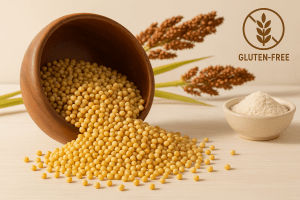
Is Sorghum (Jowar) Gluten Free? Exploring guide for Celiac Disease, Gluten Free and Healthy Living
If you have celiac disease or gluten sensitivity, finding safe...
Read More