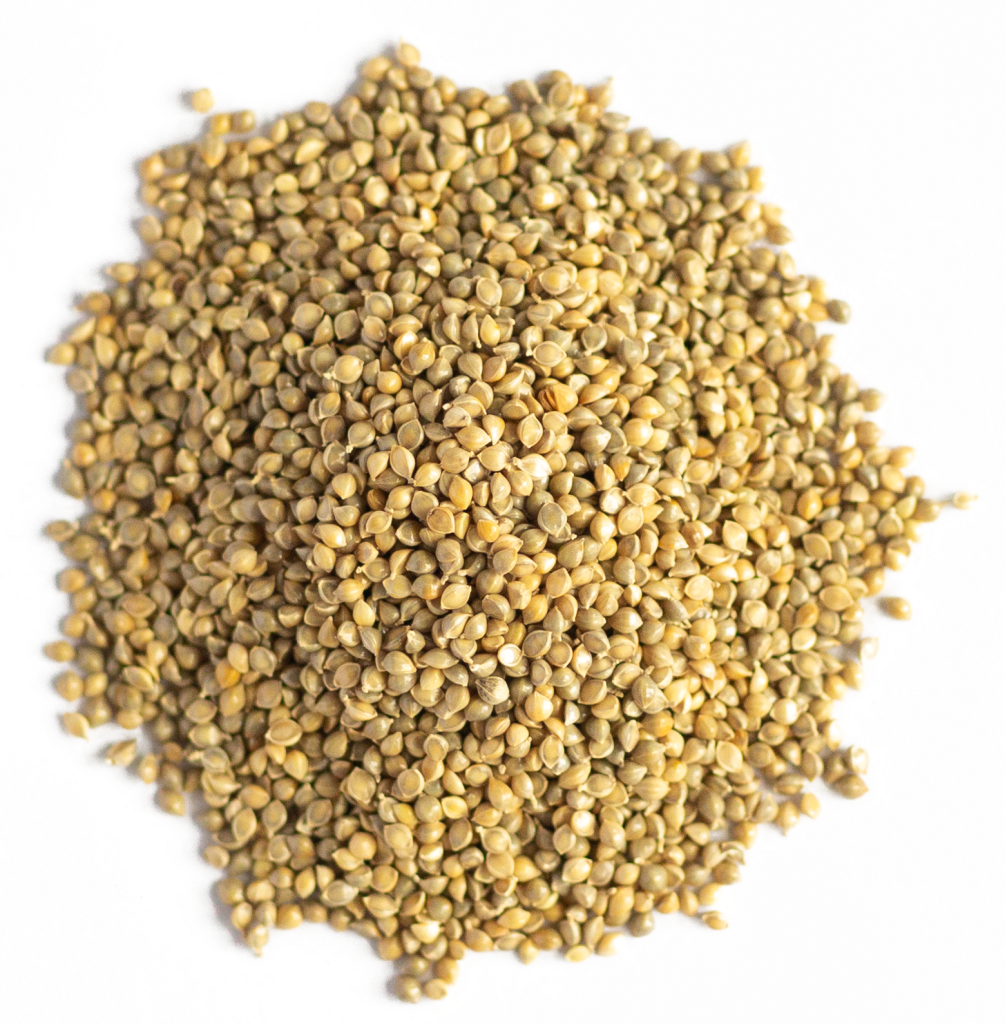
The history of barnyard millet cultivation dates back several millennia. Evidence suggests that barnyard millet was growin in the East Asian region, possibly in Japan or Korea, several thousand years ago [Li et al., 2018]. From its likely center of origin, it spread to other parts of Asia, including India and Pakistan, where it became integrated into local agricultural systems.
One of the key reasons for its adoption was its remarkably short growing cycle. Barnyard millet can mature in as little as 45-60 days, making it one of the fastest-growing cereals. This characteristic allowed farmers to cultivate it in situations where the growing season was limited, either due to climatic constraints or as a follow-up crop after the harvest of a longer-duration crop.
In India, barnyard millet has been traditionally grown in hilly and tribal regions, often in marginal lands with limited irrigation. Its resilience and ability to produce a yield under challenging conditions made it a reliable food source for these communities. Similarly, in Japan, it was cultivated in areas with cooler climates and shorter growing seasons.
Nutritional Profile: A Powerhouse of Goodness
Despite its small size and rapid growth, barnyard millet is packed with an impressive array of nutrients, making it a healthy and nutritious food choice:
Health Benefits & Well-being:
The rich nutritional composition of barnyard millet contributes to several health benefits:
- Blood Sugar Regulation: The high fiber content, particularly resistant starch, helps slow down the absorption of glucose, leading to a more gradual rise in blood sugar levels. This can be beneficial for individuals with diabetes or those at risk.
-
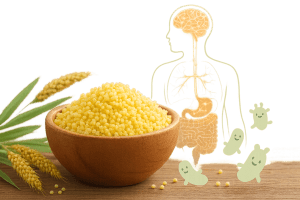
- Improved Digestive Health: The high dietary fiber content promotes healthy bowel movements, prevents constipation, and supports the growth of beneficial gut bacteria.
-
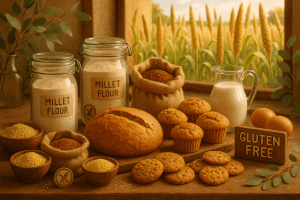
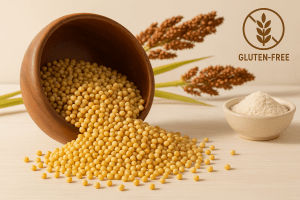
- Gluten-Free Option: Being naturally gluten-free, barnyard millet is an excellent grain choice for people with celiac disease or gluten sensitivity, allowing them to enjoy nutritious and versatile meals.
-
- Weight Management: The high fiber content promotes fullness, helping individuals feel fuller for longer and potentially reducing overall calorie intake, which can aid in weight management.
-
- Source of Iron: The presence of iron can help prevent iron deficiency anemia, contributing to improved energy levels and overall health.
-
- Heart Health: Fiber can help lower bad cholesterol levels, reducing the risk of heart disease. The presence of magnesium also supports healthy blood pressure.
Barnyard could become a crop of the future!
Barnyard millet holds significant potential for addressing various agricultural and nutritional challenges:
- Short Duration Crop: Its fast-growing nature makes it ideal for fitting into tight cropping systems, as a catch crop after the failure of a main crop, or in regions with short growing seasons.
-
- Water Efficient: Compared to major cereals like rice and wheat, barnyard millet is relatively water efficient, making it a more sustainable option in water-scarce regions.
-
- Fodder Value: The straw and other parts of the barnyard millet plant can be used as valuable fodder for livestock, contributing to integrated farming systems.
-
- Adaptability to Marginal Lands: Its ability to grow in less fertile soils makes it suitable for cultivation in marginal lands where other crops may not thrive, enhancing food security in these areas.
-
- Dietary Options: Promoting the consumption of barnyard millet can contribute to greater dietary options and reduce reliance on a few staple grains.
-
- Climate Resilience: Its ability to mature quickly can make it more resilient to unpredictable weather patterns and shorter rainy seasons associated with climate change.
Current Growing Regions of Barnyard Millet
Barnyard millet is primarily cultivated in:
- India: It is an important crop in various parts of India, including the northern states (like Uttarakhand and Himachal Pradesh), central states (like Madhya Pradesh), and southern states. It is often grown in hilly and tribal regions [Ministry of Agriculture & Farmers Welfare, India].
-
- Japan: Historically, barnyard millet was an important crop in Japan, particularly in the northern regions. While its cultivation has decreased, it is still grown in some areas.
-
- Pakistan: It is also cultivated in some parts of Pakistan, particularly in rain-fed areas.
-
- Other Regions: To a lesser extent, it is grown in some parts of Africa and other Asian countries.
Barnyard is a Small Seed with Big Advantages
Barnyard millet, with its remarkable ability to grow quickly and provide nutritious grain and fodder, is a valuable crop, especially for regions with short growing seasons and marginal land. Its nutritional benefits, including its high fiber and resistant starch content, along with its gluten-free nature, make it a healthy and versatile food. As we look for more sustainable and resilient food systems, the unique characteristics of barnyard millet position it as a crop with significant potential for the future.
Academic References:
- Li, Y., Zhou, X., Lister, D. L., & Ge, Y. (2018). Domestication of barnyard millet (Echinochloa esculenta) in East Asia: A review of archaeobotanical and genetic evidence. Frontiers in Plant Science, 9, 1008.
- Nambiar, V. S., Dhaduk, S., Sareen, S., & Strivastava, S. (2012). Potential functional food ingredients from barnyard millet (Echinochloa frumentacea): A review. Journal of Functional Foods, 4(1), 130-139.
- USDA FoodData Central. (n.d.). (https://fdc.nal.usda.gov/)
- Ministry of Agriculture & Farmers Welfare, Government of India. (n.d.). Millet Crops. (https://agricoop.nic.in/)
- Saleh, A. S. M., Zhang, Q., Chen, J., & Shen, Q. (2013). Millet grains: Nutritional quality, processing, and potential health benefits. Comprehensive Reviews in Food Science and Food Safety, 12(3), 281-295.