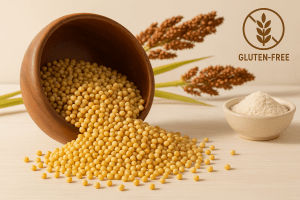
Browntop Millet - Hard and Dryland Grain!

Browntop Millet

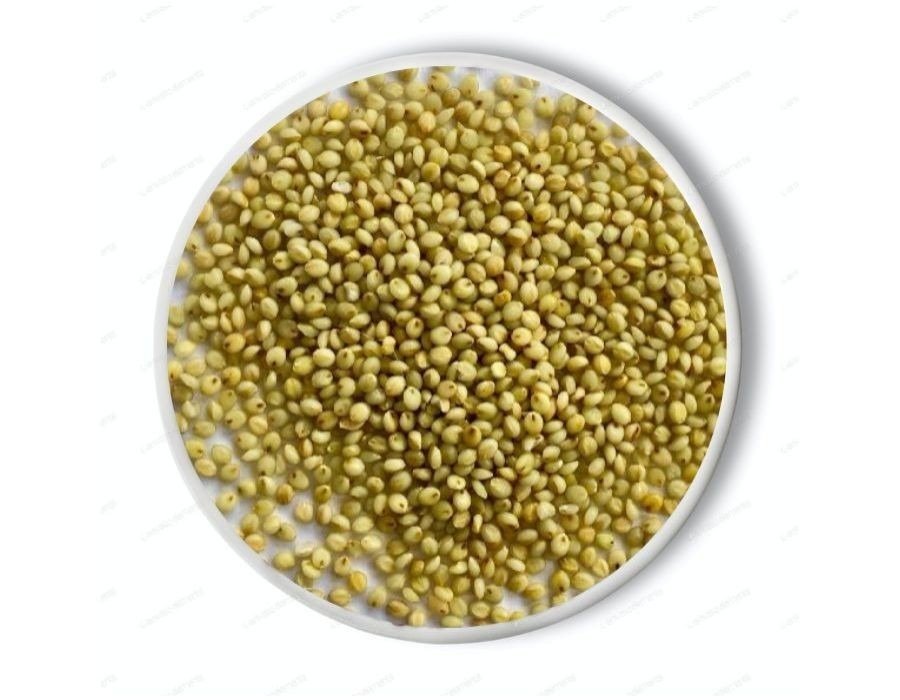
Browntop millet (Urochloa ramosa) is a resilient and nutritious millet. Browntop millet is particularly well-suited to dryland agriculture. Known as Korale in Kannada, Chodalu in Telugu, and Pala Puluthi in Malayalam, this millet is valued for its ability to grow with minimal water and inputs, making it an important crop for sustainable agriculture in water-scarce regions.

The origin of browntop millet is believed to be in India [Vavilov, 1951], where it has been cultivated for centuries, particularly in the drier parts of the country. Its ability to thrive in drought-resistant conditions and poor soils made it a reliable food source for communities in these challenging environments.

Historically, browntop millet was often grown as a rain-fed crop, requiring very little irrigation. Its adaptability to low rainfall and its ability to produce a yield even in less fertile soils made it a crucial component of traditional farming systems in many arid and semi-arid regions of India.

Interestingly, browntop millet has also found its way to other parts of the world, including Australia and the United States, where it is sometimes grown as a forage crop and increasingly recognized for its nutritional benefits and potential as a low input crop.

Browntop Nutritional Profile: A Source of Essential Nutrients

Browntop millet is a nutritious grain that offers several health benefits: 

  • Carbohydrates: It is a good source of complex carbohydrates, providing sustained energy release.
  •  
  • Dietary Fiber: Browntop millet is rich in dietary fiber, which is essential for maintaining a healthy digestive system, regulating blood sugar levels, and promoting satiety. 
  •  
  • Protein: It contains a notable amount of protein, contributing to muscle building and repair.
  •  
  • Minerals: Browntop millet provides essential minerals such as iron, calcium (important for bone health), phosphorus, and potassium [Nutritive Value of Indian Foods, 2018].
  •  
  • Vitamins: It contains some B vitamins, which play a crucial role in energy metabolism.
  •  
  • Antioxidants: Like other millets, browntop millet contains phenolic compounds that act as antioxidants, protecting the body from oxidative stress.

Health Benefits: Promoting Well-being Naturally

The nutritional composition of browntop millet contributes to various health advantages:

  • Blood Sugar Management: The high fiber content helps in the slow release of glucose into the bloodstream, which can be beneficial for managing blood sugar levels and preventing spikes.
  •  
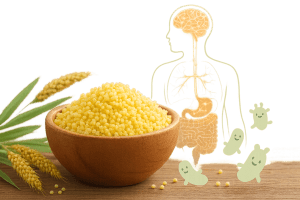
  • Improved Digestion: The rich dietary fiber content aids in healthy digestion, prevents constipation, and supports a healthy gut.
  •  
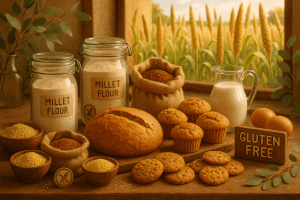
  • Gluten-Free Option: Being naturally gluten-free, browntop millet is a safe and nutritious alternative for individuals with celiac disease or gluten intolerance.
  •  
  • Bone Health: The presence of calcium and phosphorus contributes to maintaining strong and healthy bones.
  •  
  • Source of Iron: The iron content can help in preventing iron deficiency anemia.

Untapped Potential: A Crop for Sustainable Futures

Browntop millet holds significant potential for promoting sustainable agriculture and addressing food security challenges: 

  • Drought-Resistant: Its ability to grow in drought-resistant conditions makes it an ideal crop for arid and semi-arid regions facing water scarcity.
  •  
  • Environmentally friendly Crop: It requires minimal inputs such as fertilizers and pesticides, making it an environmentally friendly and cost-effective option for farmers.
  •  
  • Forage: It serves as a valuable forage crop for livestock, providing nutritious feed in dryland areas.
  •  
  • Soil Health: Browntop millet can contribute to improved soil health through its root system and the organic matter it adds to the soil.

  •  
  • Climate Resilience: Its ability to withstand harsh environmental conditions makes it a climate-resilient crop, important in the face of increasing climate variability.
  •  
  • Dietary Options: Promoting its cultivation and consumption can enhance dietary diversity and provide nutritious options in regions where it is well-adapted.

Current Growing Regions of Browntop Millet

Browntop millet is primarily grown in:

  • India: It is an important crop in the drier regions of states like Andhra Pradesh, Karnataka, and Tamil Nadu according to Indian Institute of Millets Research.
  •  
  • Australia: It is grown in some parts of Australia, primarily as a forage crop and increasingly for its grain.
  •  
  • United States: It is also cultivated in certain regions of the United States, both for forage and grain purposes.

Browntop Millet is a Hardy Grain with a Promising Future

Browntop millet, with its drought resistance and ability to grow with minimal inputs, is a valuable crop for sustainable agriculture especially when we are facing climate change effects, particularly in dryland regions. Its nutritional benefits and gluten-free nature further enhance its importance as a healthy food option. As the world faces increasing water scarcity and the need for more resilient crops, browntop millet stands out as a grain with significant potential for ensuring food security and promoting environmental sustainability. 

Academic References:

  1. Vavilov, N. I. (1951). The origin, variation, immunity and breeding of cultivated plants. Chronica Botanica.
  2. Gopalan, C., Rama Sastri, B. V., & Balasubramanian, S. C. (2018). Nutritive Value of Indian Foods. National Institute of Nutrition, Indian Council of Medical Research.
  3. Indian Institute of Millets Research (IIMR). (n.d.). Browntop Millet. (https://iimr.res.in/)
  4. Anderson, W. F., Ward, P. R., & Blamey, F. P. C. (1993). Browntop millet (Brachiaria ramosa) as a potential ley legume companion grass in subtropical Australia. Tropical Grasslands, 27(3), 174-178.
  5. Baltensperger, D. D., Porter, P. M., & поддерживать, J. G. (2004). Alternative crops for sustainable agricultural systems. CRC Press.