
Why do we need more fibre in our diet? Did...
Read MoreThe Ancient Grain Making Modern Waves
Millets represent more than just another gluten free option. They offer a bridge between traditional farming wisdom and modern dietary needs, bringing exceptional nutritional value to tables worldwide. As we explore this farm to food journey, we’ll discover why these small grains are creating such big changes in the gluten free baking world.
Farm to Food: The Gluten Free Baking Revolution featuring Millets
Understanding Millets: Nature's Nutrient Powerhouses
Millets belong to a diverse group of small seeded grains that have been cultivated for over 10,000 years. Unlike wheat, rye, and barley, millets are naturally gluten free, making them perfect for people with celiac disease and gluten sensitivity. The most common varieties used in baking include pearl millet, finger millet, foxtail millet, and little millet.
What makes millets truly special is their remarkable nutritional profile. They are abundant sources of minerals and vitamins, giving them the name Nutricereals. These tiny grains pack more nutrition per gram than many traditional cereals, offering a complete package of essential nutrients that support overall health.
The global food industry has taken notice. The 2023 year was dedicated to the International Year of Millets, highlighting their importance in addressing global nutrition challenges and sustainable agriculture.
The Science Behind Millet's Nutritional Excellence
Research consistently demonstrates that millets offer superior nutritional benefits compared to conventional grains. Millets are gluten-free grains that are rich in antioxidants, soluble fiber, and protein, making them ideal for health conscious bakers and consumers.
The protein content in millets ranges from 6 to 12 percent, depending on the variety. This protein is complete, containing all essential amino acids needed by the human body. The fibre content is particularly impressive, with some varieties containing up to 18 percent dietary fibre.
Millets are nutritionally better than other cereals for human health. Millets are gluten-free, high in fiber content, and rich in minerals. They contain significant amounts of iron, calcium, magnesium, phosphorus, and potassium. The iron content is especially noteworthy, as many gluten free products typically lack this essential mineral.
Recent studies have shown additional health benefits. They may lower cholesterol and blood sugar levels. The grain has a low glycemic index, which can be beneficial for individuals with diabetes in managing blood sugar levels.
The Gluten Free Challenge and Millet Solution
The gluten free food market has exploded in recent years, driven by increased awareness of celiac disease and non celiac gluten sensitivity. The gluten protein of wheat triggers an immunological reaction in some gluten-sensitive people with HLA-DQ2/8 genotypes, which leads to Celiac disease (CD).
However, many commercially available gluten free products face significant nutritional challenges. Gluten-free diet products are poor sources of minerals (such as iron), vitamins (such as folate, thiamine niacin and riboflavin), and fiber. This is where millets shine as a superior alternative.
Millets not only protect from gluten sensitivities but also provide all other essential micro- and macronutrients required for the growth and metabolism of the body. This makes them an ideal foundation for nutritious gluten free baking.
Type of Millet Varieties for Baking Excellence
Pearl Millet (Bajra)
Pearl millet is one of the most versatile varieties for baking. It has a mild, slightly nutty flavour that works beautifully in both sweet and savoury applications. Recent research has shown promising results. This study shows the great potential of pearl millet flour (MF) for producing nutrient dense and acceptable gluten-free (GF) bread.
Pearl millet flour creates tender crumbs in cakes and adds a delightful texture to biscuits. Its neutral taste makes it perfect for beginners exploring millet baking.
Finger Millet (Ragi)
Finger millet stands out for its exceptional calcium content, containing up to 300mg per 100g. This variety has a distinct earthy flavour that pairs wonderfully with chocolate, making it perfect for brownies, cookies, and dark breads.
Foxtail Millet
Foxtail millet offers a light, fluffy texture when ground into flour. It works exceptionally well in quick breads, muffins, and pancakes. Its subtle sweetness reduces the need for added sugars in recipes.
Little Millet
Despite its name, little millet delivers big flavour. It has a slightly sweet, corn like taste that enhances the flavour profile of gluten free baked goods.
Gluten Free Bread Making Revolution
Traditional gluten free bread often suffers from dense texture and poor flavour. Millet flours are changing this narrative completely. When combined with other gluten free flours like rice or tapioca, millets create breads with improved texture, enhanced nutrition, and superior taste.
The key to successful millet bread lies in understanding hydration ratios. Millet flours absorb more liquid than wheat flour, requiring recipe adjustments for optimal results. Adding psyllium husk or xanthan gum helps create the structure typically provided by gluten.
Sweet Treats and Desserts
Millet flours excel in sweet applications. Their natural nuttiness complements chocolate beautifully, whilst their protein content helps create tender, moist cakes. Traditional recipes can often be adapted by replacing 25 to 50 percent of the gluten free flour blend with millet flour.
For cookies and biscuits, finger millet flour creates delightfully crispy textures, whilst pearl millet produces softer, more tender results. The natural oils in millets contribute to improved keeping quality, helping baked goods stay fresh longer.
Savoury Applications
Millet flours work exceptionally well in savoury baking. You can create flavourful pizza bases, enhance the taste of crackers, and add nutritional value to savoury muffins and quick breads.
Global Adoption and Australian Contribution
Australia is participating in the global millet movement, though on a smaller scale compared to traditional millet producing regions. Australia was the 30th largest producer of millet globally in 2021, with production expected to grow slightly over the next five years. This positions Australia as a minor but stable contributor to global millet supply.
The Australian gluten free market is experiencing significant growth, creating opportunities for millet based products. The Australia Gluten-Free Foods & Beverages Market is growing at a CAGR of 7.82% over the next 5 years, whilst the Australia gluten free bakery market is expected to reach US$ 165.3 million by 2030, with an annual growth rate of 11.3%.
Australian consumers now have access to locally produced and imported millet flours through specialty health food suppliers and online retailers. Australian produced millet flour is available as certified gluten free products, supporting both local agriculture and the growing demand for alternative grains.
The Australian Dietary Guidelines support the inclusion of diverse whole grains, and millets perfectly align with recommendations for increased fibre intake and nutrient density. As awareness grows, millets are becoming recognised as valuable additions to gluten free diets, particularly for their mineral content and low glycemic impact.
Safety Considerations and Quality Assurance
Whilst millet in its natural form is gluten-free, cross contamination remains a concern. Many grains are at a high risk for cross-contamination from gluten-containing grains.
For people with celiac disease, purchasing certified gluten free millet products is essential. Commercial millets can sometimes contaminated with wheat, barley or rye. Always look for products that are certified gluten free and processed in dedicated gluten free facilities.
Sustainable Farming and Environmental Benefits
Millets represent a sustainable solution to global food security challenges. These hardy crops require minimal water, grow in poor soils, and are naturally resistant to pests and diseases. They thrive in arid and semi arid regions where other crops struggle.
From an environmental perspective, millets support biodiversity and sustainable farming practices. They require fewer inputs than conventional grains, making them an environmentally responsible choice for conscious consumers.
Nutritional Advantages Over Conventional Grains
Fiber-rich foods have a low glycaemic index and can reduce the risk of oxidative stress and metabolic illnesses. This makes millets particularly valuable for people managing diabetes, heart disease, and weight concerns.
The antioxidant content in millets is impressive. These compounds help protect against oxidative stress and inflammation, supporting overall health and wellbeing. The phenolic compounds in millets contribute not only to their health benefits but also to their unique flavours and colours.
Practical Tips for Home Bakers
Starting your millet baking journey requires some adjustments to traditional techniques. Begin by replacing 25 percent of your regular gluten free flour blend with millet flour. Gradually increase the proportion as you become comfortable with the different properties.
Millet flours benefit from slightly longer mixing times to fully hydrate. Allow batters to rest for 10 to 15 minutes before baking to achieve optimal texture. Store millet flours in airtight containers in cool, dry places, and consider refrigeration for longer storage.
The Future of Gluten Free Baking
The millet revolution represents just the beginning of exciting developments in gluten free baking. As research continues to reveal the health benefits and culinary potential of these ancient grains, we can expect to see continued innovation and adoption.
While there currently isn’t a system to produce millet on a large scale, there is research being done in this area. This suggests that availability and affordability of millet products will continue to improve.
Economic and Social Impact
The growing millet market supports smallholder farmers, particularly in developing countries where these crops are traditional staples. By choosing millet products, consumers contribute to sustainable livelihoods and food security in farming communities worldwide.
This farm to food approach creates economic opportunities whilst preserving traditional agricultural knowledge and promoting biodiversity conservation.
Revolution that has just started!
The gluten free baking revolution featuring millets represents more than just a dietary trend. It embodies a return to nutritious, sustainable, and delicious whole foods that nourish both people and planet.
Millets offer exceptional nutritional benefits, superior baking properties, and environmental sustainability. Whether you’re managing celiac disease, exploring gluten free options, or simply seeking more nutritious ingredients, millets deserve a place in your baking repertoire.
The journey from farm to food becomes meaningful when we choose ingredients that support our health, respect our environment, and honour traditional wisdom. Millets perfectly embody these values, making them ideal partners in creating delicious, nutritious, and sustainable gluten free baked goods.
Start small, experiment freely, and discover how these tiny grains can transform your baking adventures. The millet revolution is here, and it’s deliciously gluten free.
Scientific References:
- Frontiers in Nutrition. (2024). “The nutrition and therapeutic potential of millets: an updated narrative review.” PMC Article PMC11091339.
- ScienceDirect. (2022). “Considerations for gluten free foods – pearl and finger millet processing and market demand.”
- ScienceDirect. (2024). “Whole grain pearl millet-based gluten-free bread: A novel alternative with nutrition and sensory appeal.”
- Discover Food. (2024). “Perspectives of millets for nutritional properties, health benefits and food of the future: a review.”
- Beyond Celiac. (2020). “Is Millet Gluten-Free?”
- PMC. “Gluten-Free Products for Celiac Susceptible People.” PMC6304385.
- Smart Food. (2022). “Why millets are key to addressing gluten grievances and managing Celiac disease.”
Remember: This information is for educational purposes only. Always consult qualified healthcare professionals for personalised dietary advice, especially if you have medical conditions requiring specific dietary management.
What is Sorghum
Sorghum is an ancient grain that humans have consumed for thousands of years.
What is sorghum used for?
It really depends which part of the world you are referring to. Africa, Asia, Middle East, South America and many other parts of the world use as a staple food however if you refer to western world it is considered as a bird feed or animal feed and more recently it is being used for alcohole making and some food addition.
How do you eat Sorghum
You can read this blog to understand more about how best to eat sorghum.
Your Guts Are Your Second Brain: How Millet Impacts Your Gut Health
Understanding Your Second Brain Have you ever experienced butterflies in...
Read More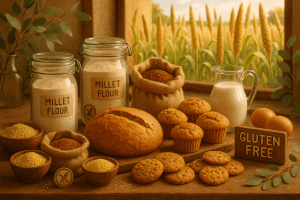
Farm to Food: The Gluten Free Baking Revolution featuring Millets
The Ancient Grain Making Modern Waves Millets represent more than...
Read More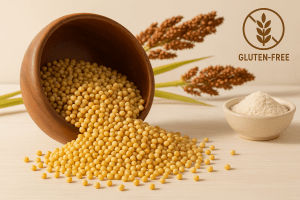
Is Sorghum (Jowar) Gluten Free? Exploring guide for Celiac Disease, Gluten Free and Healthy Living
If you have celiac disease or gluten sensitivity, finding safe...
Read More