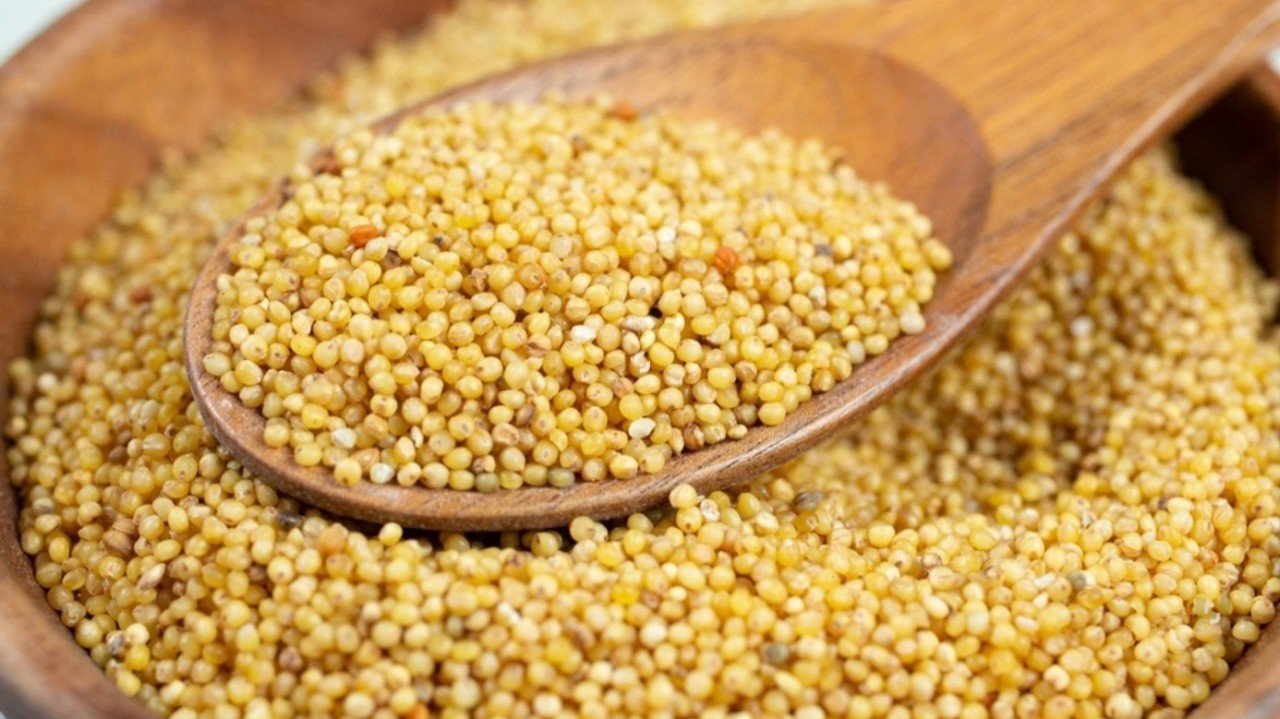
Reference of foxtail millet can be easily found with the early days of agriculture. Archaeological evidence strongly suggests that its cultivation occurred in China, likely in the Yellow River basin, as far back as 8,000 years ago! This makes it one of the truly ancient foods that our ancestors cultivated.
Over centuries, foxtail millet spread from its origin in China to other parts of Asia, including India, Korea, and Japan. It also made its way to Europe and eventually to Africa. In each of these regions, it adapted to local conditions and became an important part of the agricultural landscape and the diets of the people.
In India, foxtail millet has been cultivated for millennia and is mentioned in ancient texts. It was a staple crop in many rural communities, providing sustenance and resilience in diverse agro-climatic zones. Similarly, in parts of Africa, it became a valuable crop, especially in drier regions where other cereals struggled to grow.
The ability of foxtail millet to grow in relatively dry and less fertile soils contributed significantly to its widespread adoption in ancient times. It offered a reliable food source in environments where water scarcity or poor soil quality might have limited the cultivation of other major grains.
Nutritional Powerhouse: What Makes Foxtail Millet So Good?
Beyond its historical significance, foxtail millet boasts an impressive nutritional profile. It’s packed with goodness that makes it a healthy addition to any diet. Foxtail millets, key nutrients are:
- Carbohydrates: Foxtail millets has a good source of complex carbohydrates, which provide sustained energy release, unlike simple sugars that give a quick energy spike.
- Fiber: Foxtail millet is rich in dietary fiber. Fiber is crucial for digestive health, helps regulate blood sugar levels, and can contribute to feelings of fullness, aiding in weight management.
- Protein: Foxtail millet does contain a decent amount of protein, however not high as legumes. Foxtail millet is essential for building and repairing tissues in the body.
-
- Minerals: Foxtail millet is a good source of several important minerals, including iron (important for carrying oxygen in the blood), magnesium (involved in muscle and nerve function, blood sugar control, and blood pressure regulation), phosphorus (essential for bone health and energy production), and potassium (helps regulate fluid balance and blood pressure).
-
- Vitamins: Foxtail millet contains some B vitamins, which play a crucial role in energy metabolism and nerve function.
- Antioxidants: Foxtail millet contains antioxidants, which help protect the body against damage from free radicals.
Health Benefits of Foxtail Millet
Foxtail millet has rich nutritional content, incorporating into your diet can offer several health benefits:
- Blood Sugar Control: The high fiber content and low glycemic index of foxtail millet mean it releases glucose slowly into the bloodstream, helping to prevent sudden spikes in blood sugar levels. This can be particularly beneficial for individuals with diabetes or those looking to manage their blood sugar.
-
- Heart Health: The fiber in foxtail millet can help lower bad cholesterol levels, reducing the risk of heart disease. The presence of magnesium and potassium also contributes to healthy blood pressure levels.
-
- Digestive Health: The significant amount of dietary fiber promotes healthy bowel movements and can prevent constipation. It also supports a healthy gut microbiome.
-
- Gluten-Free Option: Naturally gluten-free, foxtail millet is an excellent grain choice for individuals with celiac disease or gluten sensitivity. It allows them to enjoy a variety of dishes without digestive discomfort.
- Weight Management: The high fiber content helps you feel fuller for longer and potentially reducing overall calorie intake, which can aid in weight management.
- Bone Health: The presence of minerals like phosphorus and magnesium contributes to maintaining strong and healthy bones.
- Source of Iron: The iron content in foxtail millet can help prevent iron deficiency anemia, a common condition characterized by fatigue and weakness.
Untapped Potential: The Future of Foxtail Millet
Foxtail millet holds significant potential in addressing various global challenges:
- Sustainable Agriculture: Its ability to grow in dry and marginal lands makes it a sustainable agriculture option, especially in regions facing water scarcity and climate change. It requires less water and fewer inputs compared to major cereals like rice and wheat.
-
- Food Security: As the global population continues to grow and climate change impacts agricultural productivity, resilient crops like foxtail millet can play a crucial role in ensuring food security, particularly in vulnerable regions.
-
- Dietary: Promoting the consumption of foxtail millet can contribute to dietary options, reducing our reliance on a few major staple crops and improving overall nutrition.
-
- Economic Benefits: Supporting the cultivation and processing of foxtail millet can create economic opportunities for smallholder farmers, especially in regions where it is traditionally grown.
-
- Versatile Grain: Foxtail millet is a very versatile grain that can be used in a wide range of culinary applications, from porridges and pilafs to baked goods and snacks. Exploring these diverse uses can increase its appeal and consumption.
Where is Foxtail Millet Grown Today?
While its cultivation has declined in some parts of the world with the rise of other major cereals, foxtail millet is still actively grown in several countries, primarily in Asia and Africa:
- Asia: India is a major producer of foxtail millet, with significant cultivation in states like Andhra Pradesh, Karnataka, Tamil Nadu, and Maharashtra. China also continues to be a significant producer. Other Asian countries where it is grown include Nepal, Pakistan, and some Southeast Asian nations.
-
- Africa: Foxtail millet is cultivated in various African countries, particularly in drier regions. Examples include some countries in East Africa and West Africa.
-
- Europe and Americas: While historically grown in Europe, its cultivation is now much smaller. Similarly, it has been introduced to some parts of the Americas but is not a major crop there.
Overall Foxtail Millet:
Foxtail millet, with its long history, high nutritional profile, climate adaptability, and potential for a sustainable future, is truly a remarkable grain. From its ancient origins in China to its continued importance in various parts of Asia and Africa, it has sustained communities for millennia. As we look for more resilient and nutritious food sources, rediscovering and promoting grains like foxtail millet can offer significant benefits for both human health and the planet. Its naturally gluten-free, rich in nutrients, and suitability for agriculture with changing climate make it a grain with a bright future.
Academic References:
- Li, Y., Steckler, N. K., Li, H., & Ge, Y. (2022). Domestication history and geographical distribution of foxtail millet (Setaria italica). The Crop Journal, 10(6), 1309-1319.
- Yadav, R., Gupta, N., Thapliyal, P., & Sharma, P. C. (2010). Nutritional and functional properties of foxtail millet ( Setaria italica). A review. Plant Foods for Human Nutrition, 65(3), 247-256.
- Bhardwaj, D. K., Sharma, A., & Sharma, B. C. (2013). Foxtail millet: a sustainable food and fodder crop for marginal environments. Indian Journal of Plant Genetic Resources, 26(3), 235-244.
- Amadou, I., Gbadamosi, S. O., & Baba, M. (2011). The effect of processing on nutrient and antinutrient content of foxtail millet (Setaria italica (L.) Beauv.) grains. Journal of Food Processing and Preservation, 35(6), 734-743.
- Gupta, S., Lakshmi, T. V. R., Manavalan, R., & Sunderesan, R. (2012). Foxtail millet ( Setaria italica): a review of its nutritional and health aspects. International Journal of Pharmaceutical Sciences and Research, 3(3), 606-614.