International Year of Millets in 2023: Naturally Nutritious and Sustainable Grain!

International Year of Millets 2023

International Year of Millets 2023

International Year of Millets 2023

A Celebration of a Nutritious and Sustainable Grain The year 2023 was declared the International Year of Millets by the United Nations. This was a chance to celebrate the many benefits of millets, a group of highly nutritious and drought-resistant grains that have been grown for thousands of years.

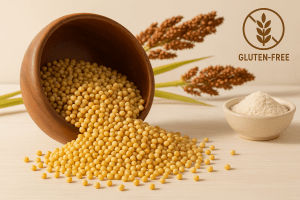
What are Millets? Millets are a group of small-seeded cereal grains that have been cultivated for thousands of years in various parts of the world. They are known for their high nutritional value, drought tolerance, and adaptability to harsh environments.

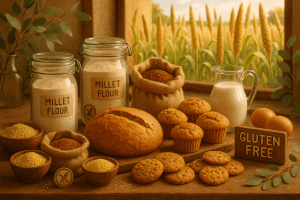
The Importance of Millets Millets are an important food source for millions of people around the world. They are a good source of protein, fiber, vitamins, and minerals. Millets are also gluten-free, making them a healthy option for people with celiac disease or gluten intolerance.

The Need for Millets Millets are an important part of a sustainable food system. They are drought-resistant and can be grown in marginal lands. Millets also require less water and fertilizer than other cereal grains.

The Future of Millets Millets are becoming increasingly popular as people become more aware of their health and environmental benefits. The International Year of Millets was an opportunity to raise awareness of millets and promote their consumption. The future of millets is bright. They are a versatile grain that can be used in a variety of dishes. Millets are also a sustainable and healthy option for the future.

Here are some of the benefits of millets:

  • Nutritious: Millets are a good source of protein, fiber, vitamins, and minerals.
  • Drought-resistant: Millets can be grown in dry areas with little water.
  • Adaptable: Millets can be grown in a variety of soils and climates.
  • Gluten-free: Millets are a good option for people with celiac disease or gluten intolerance.
  • Sustainable: Millets are a sustainable crop that requires less water and fertilizer than other cereal grains.

Some of the basic ways that millets can be used:

  • Millet porridge: A simple and healthy breakfast option.
  • Millet bread: A delicious and nutritious alternative to wheat bread.
  • Millet salad: A refreshing and healthy salad.
  • Millet soup: A hearty and satisfying soup.
  • Millet flour: Can be used to make pancakes, muffins, and other baked goods.

Here are some of the benefits of eating millets:

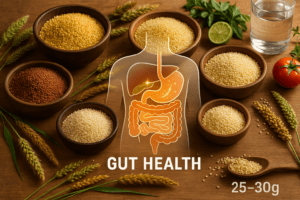
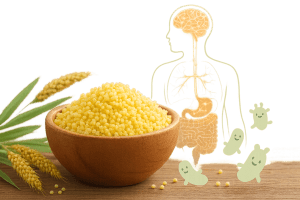
  • Improved digestion: Millets are a good source of fiber, which can help to improve digestion.
  • Lower blood sugar levels: Millets have a low glycemic index, which means that they do not cause a spike in blood sugar levels.
  • Reduced risk of heart disease: Millets are a good source of magnesium, which can help to reduce the risk of heart disease.
  • Weight management: Millets are a low-calorie food that can help you to feel full and satisfied.
  • Stronger bones: Millets are a good source of calcium, which is important for strong bones.

The International Year of Millets was a success The International Year of Millets was a successful event that raised awareness of the many benefits of this nutritious and sustainable grain. It is hoped that this will lead to increased consumption of millets around the world.

Here are some of the things that you can do to support the future of millets:

  • Eat more millets: Add millets to your diet by trying some of the recipes mentioned above.
  • Support millet farmers: Buy millets from local farmers or businesses that support sustainable agriculture.
  • Spread the word: Tell your friends and family about the benefits of millets.

The future of millets is bright Millets are a versatile and nutritious grain that can be used in a variety of ways. They are also a sustainable and healthy option for the future. By eating more millets, we can help to support a more sustainable and healthy food system.

Leave a Reply

Your email address will not be published. Required fields are marked *