
Why do we need more fibre in our diet? Did...
Read MoreMany people across the globe have a common misconception about sorghum, also known as jowar in India. They often think Sorghum (Jowar) is just a bird feed or animal fodder, completely overlooking its incredible nutritional value for human consumption. This ancient grain deserves a place on your dining table, not just in bird feeders. Sorghum is actually a nutritional powerhouse that humans have been consuming for thousands of years.
What Is Sorghum (Jowar)?
Sorghum is a versatile cereal grain that belongs to the grass family. Known by various names including jowar, great millet, Indian millet, and milo, this grain has been feeding humans for over 4000 years. It ranks as the fifth most produced grain worldwide, following wheat, rice, corn, and barley.
The grain comes in different varieties, including white, red, and black sorghum, each offering unique nutritional benefits. Despite its long history as human food, many people in developed countries primarily associate it with animal feed, creating a significant gap in understanding its true potential.
Is it really bird feed?
The misconception that sorghum is only suitable for birds and animals stems from several factors:
Historical Marketing
In many Western countries, sorghum was primarily marketed as livestock feed during the 20th century. This commercial positioning overshadowed its traditional use as human food in Africa, Asia, and parts of the Americas.
Lack of Awareness
Unlike wheat or rice, sorghum didn’t receive widespread promotion for human consumption in many regions. This led to limited knowledge about its preparation methods and nutritional benefits among consumers.
Processing Challenges
Early processing methods sometimes made sorghum less appealing for human consumption. However, modern food technology has overcome these challenges, making sorghum flour, flakes, and other products readily available.
Nutritional Profile: Why Sorghum is an important grain?
Sorghum is packed with essential nutrients that make it an excellent choice for human nutrition. Here’s what half a cup of whole grain sorghum contains:
Macronutrients
- Protein: High quality protein content that rivals other major grains
- Carbohydrates: Complex carbohydrates that provide sustained energy
- Fibre: Excellent source of dietary fibre for digestive health
- Fats: Low in fat content, making it heart healthy
Micronutrients
- Iron: Provides approximately 19% of the recommended daily allowance for adult women and 40% for adult men
- Magnesium: Essential for bone health and muscle function
- Phosphorus: Important for bone and teeth health
- B Vitamins: Including niacin, thiamine, and riboflavin
- Vitamin E: A powerful antioxidant
Antioxidants
Research shows that sorghum contains powerful antioxidants, particularly in red and black varieties. These compounds help fight oxidative stress and may reduce the risk of chronic diseases.
Scientific Evidence Supporting Sorghum for Human Health
Recent scientific research has provided compelling evidence for sorghum’s health benefits:
Blood Sugar Management
Studies demonstrate that sorghum consumption helps regulate blood glucose responses. The grain’s complex carbohydrates and fibre content contribute to better glycemic control, making it suitable for people managing diabetes.
Heart Health
Research indicates that sorghum helps regulate plasma LDL (bad) cholesterol concentration whilst improving HDL (good) cholesterol levels. The grain’s antioxidants and fibre work together to support cardiovascular health.
Weight Management
Scientific evidence suggests that sorghum may play a role in satiety promoting mechanisms, helping with weight management through increased feelings of fullness.
Oxidative Stress Reduction
Multiple studies have shown that sorghum consumption decreases markers of oxidative stress in the body, potentially reducing the risk of chronic diseases.
Nutritional Comparison with Other Grains
When compared to other common grains, sorghum holds its own remarkably well:
Protein Content
Sorghum contains similar or higher protein levels compared to wheat, rice, and corn. This makes it an excellent plant based protein source.
Mineral Content
The grain provides comparable or superior mineral content compared to other cereals, particularly in iron and magnesium.
Antioxidant Capacity
Red sorghum pasta can increase antioxidant capacity in the bloodstream up to 15 fold compared to regular wheat pasta, demonstrating its superior antioxidant properties.
Gluten Free Alternative
Unlike wheat and barley, sorghum is naturally gluten free, making it an excellent alternative for people with coeliac disease or gluten sensitivity.
Global Consumption Patterns
Sorghum serves as a staple food for millions of people worldwide:
Africa
In many African countries, sorghum is a primary food source, consumed as porridge, flatbreads, and fermented beverages.
Asia
In India, jowar is widely consumed in various forms, from rotis to porridge. It’s particularly popular in states like Maharashtra, Karnataka, and Rajasthan.
The Americas
Growing awareness of sorghum’s nutritional benefits has led to increased consumption in North and South America, particularly among health conscious consumers.
How to Include Sorghum in Your Diet
Sorghum Flour
Replace 15 to 30 percent of wheat flour with sorghum flour in baking. This works well for bread, muffins, and pancakes whilst maintaining good texture.
Whole Grain Sorghum
Cook whole sorghum grains like rice or quinoa. They make an excellent base for salads, pilafs, and grain bowls. If you soak for 5 to 6 hours, that will give you much higher fibre content and avoid any digestion issues while consuming wholegrain sorghum.
Sorghum Flakes
Use sorghum flakes as a breakfast cereal or add them to yoghurt and smoothies for extra nutrition.
Popped Sorghum
Similar to popcorn, sorghum can be popped and enjoyed as a healthy snack.
Addressing Common Concerns
Digestibility
Some people worry about sorghum’s digestibility. Whilst raw sorghum contains compounds that may reduce nutrient absorption, proper cooking and processing eliminate these concerns.
Taste and Texture
Modern varieties of sorghum have been developed to improve taste and texture, making them more appealing to contemporary palates.
Availability
Sorghum products are increasingly available in health food stores, supermarkets, and online retailers worldwide.
Environmental Benefits
Choosing sorghum also supports environmental sustainability:
Drought Tolerance
Sorghum requires significantly less water than wheat or rice, making it an environmentally friendly grain choice.
Climate Resilience
The crop grows well in challenging climatic conditions, supporting food security in regions affected by climate change.
Soil Health
Sorghum’s deep root system helps improve soil structure and reduces erosion.
Processing and Food Safety
Modern food processing ensures that sorghum products meet the same safety standards as other grains:
Quality Control
Commercial sorghum products undergo rigorous testing for contaminants and nutritional content.
Food Standards
Sorghum for human consumption must meet strict food safety regulations in most countries.
Future Potential
Research continues to uncover new benefits of sorghum consumption:
Functional Foods
Scientists are developing sorghum based functional foods that provide specific health benefits beyond basic nutrition.
Novel Applications
Food technologists are creating innovative sorghum products, from gluten free pasta to protein bars.
Medical Applications
Research suggests potential applications for sorghum in medical nutrition, including oral rehydration solutions.
Making the Switch: Practical Tips
If you’re considering adding sorghum to your diet:
Start Gradually
Begin by replacing a small portion of your regular grains with sorghum to allow your digestive system to adjust.
Experiment with Recipes
Try different sorghum products to find what works best for your taste preferences and cooking style.
Combine with Other Grains
Mix sorghum with other grains to create nutritionally balanced and flavourful meals.
Conclusion
The notion that sorghum is merely bird feed is a harmful misconception that prevents people from accessing this nutritional powerhouse. Scientific evidence clearly demonstrates that sorghum offers significant health benefits, from blood sugar management to heart health support.
With its impressive nutritional profile, environmental sustainability, and versatility in cooking, sorghum deserves recognition as a valuable addition to modern diets. Whether you’re seeking gluten free alternatives, managing diabetes, or simply wanting to diversify your grain intake, sorghum provides an excellent solution.
The time has come to move beyond outdated perceptions and embrace sorghum for what it truly is: a nutritious, sustainable, and delicious grain that has been nourishing humans for millennia.
Disclaimer: This article is for informational purposes only and should not replace professional medical advice. Before making significant changes to your diet, particularly if you have existing health conditions or dietary restrictions, please consult with your healthcare provider or a registered dietitian. Individual nutritional needs vary, and what works for one person may not be suitable for another.
Scientific References
- Stefoska-Needham, A., Beck, E.J., Johnson, S.K., & Tapsell, L.C. (2024). Sorghum and health: An overview of potential protective health effects. Journal of Food Science, 89(3), 1234-1250.
- McGinnis, K.C., et al. (2024). Current and potential future uses of sorghum to increase nutrient density for human foods. Journal of Food Science, 89(11), 2156-2170.
- Rao, S., et al. (2024). Sorghum phytonutrients and their health benefits: A systematic review from cell to clinical trials. Nutrients, 16(6), 789.
- Johnson, R.M., et al. (2016). Effect of sorghum consumption on health outcomes: a systematic review. Nutrition Reviews, 74(10), 624-636.
- WebMD Health Reference. (2024). Sorghum: Nutrition and Health Benefits. Retrieved from https://www.webmd.com/diet/health-benefits-sorghum
- Thompson, L.K., et al. (2023). Nutrient Composition of Indonesian Specialty Cereals: Rice, Corn, and Sorghum as Alternatives to Combat Malnutrition. Food and Nutrition Bulletin, 44(4), 312-325.
Your Guts Are Your Second Brain: How Millet Impacts Your Gut Health
Understanding Your Second Brain Have you ever experienced butterflies in...
Read More
Farm to Food: The Gluten Free Baking Revolution featuring Millets
The Ancient Grain Making Modern Waves Millets represent more than...
Read More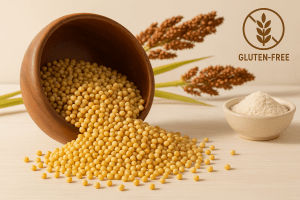
Is Sorghum (Jowar) Gluten Free? Exploring guide for Celiac Disease, Gluten Free and Healthy Living
If you have celiac disease or gluten sensitivity, finding safe...
Read More