Little Millet - very little but with great benefits!

Little Millets with huge benefits

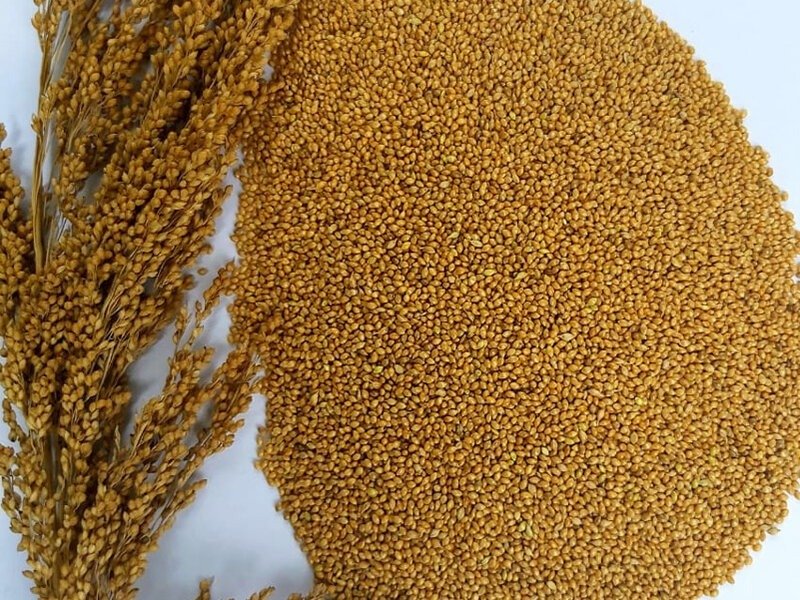
Little millet (Panicum sumatrense) is a small-seeded but highly nutritious grain that is grown in various parts of Asia and Africa. Little Millet is known as Kutki in Hindi, Sama in other north Indian languages, and Gajro in Gujarati, this millet is known for its ability to grow in drought-tolerant conditions and its very short growing season, making it an important crop for smallholde farmers in resource-constrained environments.

The history of little millet farming dates back several thousand years, with evidence suggesting its cultivation in India [Purseglove, 1972]. It has been a traditional food crop in many parts of India, particularly in the central and southern regions, as well as in Nepal and Sri Lanka.

Historically, little millet was often grown in mixed cropping systems and on marginal lands with low rainfall. Its ability to mature quickly made it a reliable food source during shorter growing seasons or as a supplementary crop. It played a crucial role in the food security of rural communities, especially those relying on rainfed agriculture.

While it may not be as widely cultivated as some other major cereals, little millet continues to be an important crop for smallhold farmers due to its resilience and nutritional benefits.

Nutritional Profile of Little Millets:

Little Millet is very small in size but little millet is packed with essential nutrients, making it a valuable addition to a healthy diet:

  • Carbohydrates: It is a good source of complex carbohydrates, providing sustained energy.
  •  
  • Fiber Rich: Little millet is particularly fiber rich, containing a significant amount of both soluble and insoluble dietary fiber. This contributes to digestive health, blood sugar control, and satiety.
  •  
  • Protein: It provides a notable amount of protein, essential for various bodily functions.
  •  
  • Minerals: Little millet is a good source of important minerals such as iron, magnesium, phosphorus, and potassium [Food and Agriculture Organization of the United Nations].
  •  
  • Vitamins: It contains some B vitamins, contributing to energy metabolism and nerve function.
  •  
  • Antioxidants: Like other millets, little millet contains phenolic compounds that act as antioxidants, protecting the body from oxidative stress.

Health Benefits of Little Millets:

The rich nutritional profile of little millet translates into several health benefits:

  • Blood Sugar Control: The high fiber content helps slow down the absorption of glucose, leading to better blood sugar management.
  •  
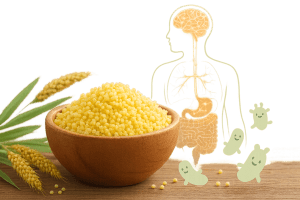
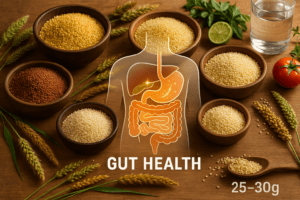
  • Improved Digestive Health: The fiber rich nature of little millet promotes healthy digestion, prevents constipation, and supports a healthy gut microbiome.
  •  
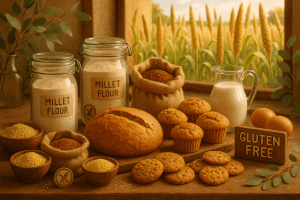
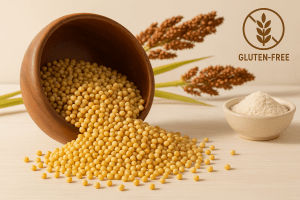
  • Gluten-Free Option: Being naturally gluten-free, it is a safe and nutritious grain for individuals with celiac disease or gluten sensitivity.
  •  
  • Weight Management: The high fiber content promotes fullness of the hunger, which can help in managing weight by reducing overall calorie intake.
  •  
  • Source of Minerals: The presence of essential minerals like iron and magnesium contributes to overall health and well-being.

Little Millet is a Crop for Food Security and Nutrition

Little millet holds significant potential for enhancing food security and nutrition, particularly in marginal environments:

  • Drought Tolerant: Its ability to grow in drought-tolerant conditions makes it a valuable crop for regions facing water scarcity.
  •  
  • Short Duration: Its relatively short duration allows for cultivation in areas with limited growing seasons or as part of diverse cropping systems.
  •  
  • Nutritious Grain: Its rich nutritional profile makes it a valuable food source, contributing to improved dietary quality.
  •  
  • Gluten-Free Option: It provides a nutritious gluten-free alternative to major cereals.
  •  
  • Versatile Uses: Little millet has versatile uses in various culinary preparations, from porridge and rice-like dishes to baked goods.
  •  
  • Support for Smallhold Farmers: Promoting its cultivation can improve the livelihoods of smallhold farmers in marginal areas.

Current Growing Regions of Little Millet

Little millet is primarily grown in:

  • India: It is an important crop in central and southern India, including states like Madhya Pradesh, Andhra Pradesh, Tamil Nadu, Karnataka, and Maharashtra [Indian Institute of Millets Research].
  •  
  • Nepal: It is also grown in some parts of Nepal.
  •  
  • Sri Lanka: Little millet is cultivated in certain regions of Sri Lanka.
  •  
  • Other Regions: It is also found in some parts of Africa.

Little Millet is a small grain with Significant Advantages

Little millet, despite its small size, is a highly nutritious grain with significant advantages for drought-prone regions and individuals seeking gluten-free options. Its short growing duration and adaptability make it a valuable crop for smallhold farmers, while its rich fiber and mineral content contribute to improved nutrition. Recognizing and promoting the cultivation and consumption of little millet can play a crucial role in enhancing food security and dietary diversity in various parts of the world.

Academic References:

  1. Purseglove, J. W. (1972). Tropical crops: Monocotyledons 1. Longman.
  2. Food and Agriculture Organization of the United Nations. (n.d.). Millets at a glance. (https://www.fao.org/)
  3. Indian Institute of Millets Research (IIMR). (n.d.). Little Millet. (https://iimr.res.in/)
  4. Rao, B. D., Bhaskarachary, K., Balakrishna, N., & Satyanarayana, A. (2011). Nutritional and health aspects of millets. Indian Council of Agricultural Research.
  5. Muralikrishna, G., & Viswanatha, S. (2011). Nutritional and functional properties of little millet (Panicum sumatrense) and its suitability in selected food products. Journal of Food Science and Technology, 48(6), 767-771.