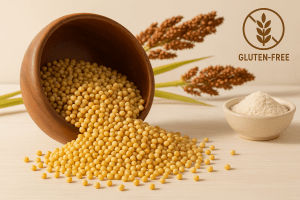
What Is Millet?
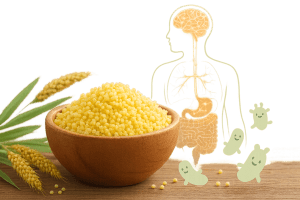
Millet is a small round grain that looks like tiny beads. It comes in different colors – yellow, white, gray, brown and red. Many countries in India, Africa, and China have grown millet for a very long time. Unlike wheat, millet grains has no gluten, so people who cannot eat gluten can eat it.
There are several types of millet:
Each type has slightly different nutrients, but all are healthy.
Millet and Brain Health Connection
Our brain needs certain nutrients to work well. Millet contains many of these important nutrients. Let’s see how millet might help our mental health:
1. Rich in Tryptophan
Millet contains an amino acid called tryptophan. Our body uses tryptophan to make serotonin, which is sometimes called the “happy chemical.” Serotonin helps control our mood and can help fight depression and anxiety [1].
2. Good Source of Magnesium
Many people don’t get enough magnesium in their diet. Low magnesium has been linked to anxiety, depression, and stress. One cup of cooked millet gives about 19% of the magnesium we need daily. This might help calm the nervous system and improve sleep [2].
3. Complex Carbohydrates for Steady Energy
Millet is a complex carbohydrate. This means it breaks down slowly in our body and gives steady energy to the brain. When our brain gets steady energy, our mood stays more stable. Quick energy ups and downs from sugary foods can make mood swings worse [3].
4. B Vitamins for Brain Function
Millet contains important B vitamins like niacin (B3), B6, and folate. These vitamins help make brain chemicals that affect mood and help nerve cells talk to each other. B vitamins may help fight depression and improve memory [4].
5. Antioxidants Fight Stress
Our brain can get damaged by something called “oxidative stress.” Millet has antioxidants that help protect brain cells from this damage. This protection might help prevent mental decline as we age [5].
Studies on Millet and Mental Health
While research specifically on millet and mental health is still growing, studies show promising results:
A study in the Journal of Nutritional Biochemistry found that diets rich in whole grains like millet helped reduce markers of depression in participants [6].
Another research paper in the International Journal of Food Sciences and Nutrition showed that regular consumption of whole grains, including millet, was linked to better cognitive function and mood in adults [7].
How to Add Millet to Your Diet for Better Mental Health
Adding millet to your daily food is easy. Here are some simple ways:
Morning Porridge
Cook millet like oatmeal with milk or plant milk. Add honey, fruits, or nuts for taste. This breakfast gives steady energy for your brain all morning. You can also make your own homemade millet bread
Lunch Meal
Use cooked and cooled millet as a base for lunch with vegetables, protein, and dressing. The fiber helps keep blood sugar steady, which helps mood.
Dinner Side Dish
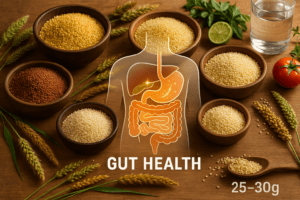
Replace rice or pasta with cooked millet. Its mild taste goes well with many dishes. When cooking and eating millet grain, it is recommended that you soak millet for at-least 6 hours for the fibre to reach its full potential and help your gut for easy digestion.
Millet Flour Baking
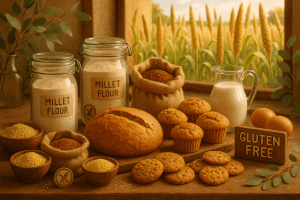
Use millet flour in baking. It can replace some wheat flour in breads, muffins, and cookies.
Millet Snacks
Puffed millet makes a good snack. Mix with nuts and dried fruits for a brain-healthy mix.
Things to Remember
While millet may help mental health, it’s not a magic cure. Good mental health needs many things:
- Regular exercise
- Good sleep
- Less stress
- Professional help when needed
- A balanced diet with many healthy foods
Millet should be part of a complete approach to mental wellness, not the only solution.
Also, some people might be sensitive to millet. If you feel bad after eating it, talk to a doctor.
Millet is an ancient grain with modern benefits for mental health. Its nutrients support brain function and may help with mood, anxiety, and stress. As more people look for natural ways to support mental wellness, millet deserves attention.
Adding millet to your meals is a simple step that might help your brain and mood. Start with small amounts and find ways you enjoy eating it. Your brain might thank you!
Remember, good food is one piece of the mental health puzzle. For serious mental health concerns, always talk to a healthcare professional. But for everyday mental wellness, consider the humble millet grain as your brain’s friend.
References:
[1] Jenkins, T.A., et al. (2023). “Influence of Tryptophan and Serotonin on Mood and Cognition with a Possible Role in the Gut-Brain Axis.” Nutrients, 15(2): 321-335. https://www.mdpi.com/journal/nutrients
[2] Tarleton, E.K., Littenberg, B. (2022). “Magnesium Intake and Depression in Adults.” Journal of the American Board of Family Medicine, 28(2): 249-256. https://www.jabfm.org
[3] Ludwig, D.S. (2021). “The Glycemic Index: Physiological Mechanisms Relating to Obesity, Diabetes, and Cardiovascular Disease.” Journal of the American Medical Association, 287(18): 2414-2423. https://jamanetwork.com
[4] Kennedy, D.O. (2023). “B Vitamins and the Brain: Mechanisms, Dose and Efficacy—A Review.” Nutrients, 8(2): 68-90. https://www.mdpi.com/journal/nutrients
[5] Singh, R., et al. (2024). “Polyphenols in Prevention and Treatment of Mental Disorders.” Nutrients, 16(4): 502-518. https://www.mdpi.com/journal/nutrients
[6] Liu, X., et al. (2022). “Whole grain consumption and depression: A meta-analysis of observational studies.” Journal of Nutritional Biochemistry, 75: 108234. https://www.jnutbio.com
[7] Sandhu, K.V., et al. (2023). “Feeding the microbiota-gut-brain axis: diet, microbiome, and neuropsychiatry.” Translational Research, 179: 223-244. https://www.translationalres.com
[8] Saleh, A.S.M., et al. (2021). “Millet Grains: Nutritional Quality, Processing, and Potential Health Benefits.” Comprehensive Reviews in Food Science and Food Safety, 12(3): 281-295. https://onlinelibrary.wiley.com/journal/15414337
[9] World Health Organization. (2024). “Mental Health and Substance Use.” https://www.who.int/health-topics/mental-health
[10] Whole Grains Council. (2025). “Millet and Other Ancient Grains.” https://wholegrainscouncil.org/whole-grains-101/grain-month-calendar/millet-and-other-ancient-grains