
Why do we need more fibre in our diet? Did...
Read MoreThe demand for gluten-free foods has surged dramatically in the last few years, driven by increasing awareness of coeliac disease, non-coeliac gluten sensitivity, and the growing preference for healthier dietary choices. In such scenario, we need to understand Is Millet The Naturally Gluten-Free Grain? and, What is Gluten?
Amongst the numerous gluten-free alternatives available, millet stands out as an exceptional option that combines nutritional excellence with culinary versatility. This blog explores the science behind gluten, to understand if millet is naturally gluten-free, and reviews some of the evidence-based insights into how this ancient grain can transform you into gluten-free lifestyle.
What Is Gluten?
To understand why millet is such a valuable gluten-free grain, we first need to understand what gluten actually is. Gluten is a protein found in wheat, rye, and barley, and it’s responsible for the elastic texture of dough. The name “gluten” comes from the Latin word for “glue,” which aptly describes its binding properties in baked goods.
Gluten is actually a composite protein made up of two main components: gliadin and glutenin. When flour is mixed with water, these proteins form a sticky network that gives bread its chewy texture and allows it to rise properly. This protein complex is what makes traditional wheat-based products so appealing from a textural standpoint, but it’s also what causes problems for individuals with gluten-related disorders.
The Science Behind Gluten Structure
From a molecular perspective, gluten proteins are rich in proline and glutamine amino acids, which create unique structural properties. These proteins are storage proteins in wheat, meaning they serve as a source of amino acids for the developing plant embryo. However, these same proteins can trigger immune responses in susceptible individuals.
The gluten protein structure varies between different grains. Wheat contains alpha-gliadin, which is particularly problematic for people with coeliac disease. Rye contains secalin, and barley contains hordein – all of which are collectively referred to as “gluten” in dietary contexts because they trigger similar immune responses in sensitive individuals.
Understanding Gluten-Related Disorders
Coeliac Disease
Coeliac disease is an autoimmune disorder where gluten consumption damages the small intestine. When people with coeliac disease eat gluten, their body mounts an immune response that attacks the small intestine, leading to damage on the villi – small fingerlike projections that line the small intestine and promote nutrient absorption.
This autoimmune response doesn’t just cause digestive discomfort; it can lead to serious long-term health complications including malnutrition, osteoporosis, infertility, and increased risk of certain cancers. The only current treatment for coeliac disease is a strict, lifelong gluten-free diet.
Non-Coeliac Gluten Sensitivity
Beyond coeliac disease, many individuals experience non-coeliac gluten sensitivity (NCGS). Whilst this condition doesn’t involve the same autoimmune response as coeliac disease, it can still cause significant symptoms including abdominal pain, bloating, diarrhoea, constipation, headaches, and fatigue.
Wheat Allergy
Wheat allergy is another distinct condition where the immune system reacts to wheat proteins (which may include gluten). This can cause symptoms ranging from mild digestive upset to severe anaphylactic reactions.
Why Millet Is Naturally Gluten-Free
Millet in its natural form is gluten-free. This ancient grain belongs to the Poaceae family but is genetically distinct from wheat, barley, and rye. The protein composition of millet is fundamentally different from gluten-containing grains, making it a safe and nutritious alternative for those following gluten-free diets.
The Botanical Difference
Millet encompasses several species of small-seeded grains, including pearl millet (Pennisetum glaucum), finger millet (Eleusine coracana), foxtail millet (Setaria italica), and proso millet (Panicum miliaceum). None of these species contain the problematic proteins found in wheat, rye, or barley.
The protein profile of millet consists primarily of albumins, globulins, and prolamins, but these prolamins are structurally different from the gliadins found in wheat. This structural difference means that millet proteins don’t trigger the same immune responses associated with gluten-related disorders.
Scientific Evidence Supporting Millet’s Gluten-Free Status
Research has consistently confirmed that millet is safe for individuals with coeliac disease. The protein composition analysis shows that millet contains no gliadin, secalin, or hordein – the specific proteins that cause problems in gluten-sensitive individuals.
Laboratory testing has confirmed that millet contains less than 20 parts per million (ppm) of gluten, which is well below the threshold required for foods to be labelled as gluten-free in most countries. In fact, pure millet contains no detectable gluten proteins whatsoever.
The Nutritional Advantage of Millet in Gluten-Free Diets
Addressing Nutritional Deficiencies
Iron deficiency is a common side effect of coeliac disease, and millet consumption is highly recommended for the gluten-free diet as it’s a good source of iron. This is particularly important because damage to the small intestine in coeliac disease can impair iron absorption, leading to anaemia.
Beyond iron, millet provides essential nutrients that are often lacking in gluten-free diets. Many commercial gluten-free products are made from refined starches that lack the nutritional density of whole grains. Millet fills this gap by providing:
- Complex carbohydrates for sustained energy
- High-quality protein with a favourable amino acid profile
- Essential minerals including magnesium, phosphorus, and zinc
- B vitamins crucial for energy metabolism
- Dietary fibre for digestive health
Antioxidant Properties
Millet contains significant levels of antioxidants, including phenolic compounds, flavonoids, and carotenoids. These compounds help protect against oxidative stress and inflammation, which can be particularly beneficial for individuals with coeliac disease who may experience chronic inflammation.
Research has shown that millet’s antioxidant activity can help mitigate some of the inflammatory processes associated with gluten-related disorders, potentially supporting the healing of the intestinal lining in individuals with coeliac disease.
Millet Varieties and Their Gluten-Free Applications
Pearl Millet
Pearl millet flour shows great potential for producing nutrient-dense and acceptable gluten-free bread. This variety is particularly valuable in gluten-free baking due to its relatively mild flavour and good binding properties when combined with other gluten-free ingredients.
Pearl millet is rich in protein and provides excellent nutritional value in gluten-free formulations. Its flour can be used to create bread, biscuits, and other baked goods that closely mimic the texture and taste of traditional wheat-based products.
Finger Millet
Finger millet, also known as ragi, is exceptionally rich in calcium and is widely used in South Asian cuisine. Its naturally gluten-free properties make it an excellent choice for porridges, pancakes, and traditional flatbreads.
The high calcium content in finger millet is particularly beneficial for individuals with coeliac disease, who may have increased risk of osteoporosis due to malabsorption issues.
Foxtail Millet
Foxtail millet has a light, fluffy texture when cooked and works well as a rice substitute. Its gluten-free nature makes it perfect for pilafs, salads, and side dishes that require a grain-like texture without the gluten content.
Processing and Cross-Contamination Considerations
Ensuring Gluten-Free Integrity
Whilst millet is naturally gluten-free, cross-contamination can occur during processing, storage, or transportation if facilities also handle gluten-containing grains. This is why it’s crucial to choose millet products that are certified gluten-free.
Key contamination points include:
- Shared harvesting equipment
- Processing facilities that handle multiple grains
- Storage facilities with inadequate separation
- Transportation vehicles used for various grains
Certification and Quality Assurance
Look for millet products that carry gluten-free certification from recognised bodies. These certifications ensure that the product contains less than 20 ppm of gluten and that proper protocols are followed to prevent cross-contamination.
Many reputable millet producers now operate dedicated gluten-free facilities or implement strict separation protocols to maintain the integrity of their gluten-free products.
Incorporating Millet into Your Gluten-Free Diet
Breakfast Options
Millet can be transformed into delicious gluten-free breakfast options:
- Millet porridge with fruits and nuts
- Millet pancakes using millet flour
- Breakfast bars incorporating puffed millet
- Smoothie bowls topped with millet flakes
Main Meals
The versatility of millet makes it suitable for various main meal applications:
- Millet pilaf as a rice alternative
- Stuffed vegetables using cooked millet
- Millet salads with vegetables and herbs
- Gluten-free pasta made from millet flour
Baking Applications
Millet flour can be used in gluten-free baking, though it works best when combined with other gluten-free flours:
- Bread using a blend of millet and other gluten-free flours
- Biscuits with millet flour for added nutrition
- Muffins incorporating whole millet grains
- Pizza bases using millet flour blends
Health Benefits Beyond Being Gluten-Free
Blood Sugar Management
Millet has a low glycaemic index, making it excellent for blood sugar management. This property is particularly beneficial for individuals with coeliac disease who may also have diabetes or insulin resistance.
The complex carbohydrates in millet are digested slowly, providing steady energy release without causing rapid spikes in blood glucose levels.
Digestive Health
The high fibre content in millet supports digestive health by promoting regular bowel movements and feeding beneficial gut bacteria. For individuals recovering from coeliac disease, this can be particularly important for healing the intestinal lining.
Heart Health
Regular consumption of millet may support cardiovascular health through its magnesium content, which helps regulate blood pressure, and its fibre content, which can help lower cholesterol levels.
Global Perspectives on Gluten-Free Millet
Traditional Usage
Millet has been used as a staple grain in many cultures for thousands of years, long before gluten-free diets became a medical necessity. In Africa, Asia, and parts of Europe, millet-based dishes have provided gluten-free nutrition for generations.
Modern Applications
The market demand for gluten-free foods is increasing due to frequent incidences of coeliac disease and increasing awareness on consumption of gluten-free foods. This growing demand has led to innovation in millet-based products and improved processing techniques.
Food manufacturers are developing new millet-based products specifically designed for the gluten-free market, including ready-to-eat cereals, snack bars, and convenience foods.
Practical Tips for Millet Preparation
Cooking Methods
Basic millet preparation:
- Soak for at-least 6 hours if cooking from millet grains
- Rinse millet grains thoroughly under cold water
- Toast in a dry pan for enhanced flavour (optional)
- Use a 1:2 or 3 ratio of millet to water
- Bring to boil, then simmer covered for 15-20 minutes
- Let stand for 5 minutes before fluffing with a fork
Storage Guidelines
Store millet in airtight containers in a cool, dry place. Whole millet can be stored for up to 6 months, while millet flour should be used within 3 months for best quality.
Flavour Enhancement
Millet has a mild, slightly nutty flavour that pairs well with various seasonings:
- Toast before cooking for enhanced nuttiness
- Cook in vegetable or chicken broth instead of water
- Add herbs, spices, or aromatics during cooking
- Combine with other gluten-free grains for texture variety
Future Developments and Research
Nutritional Research
Ongoing research continues to explore the nutritional benefits of millet in gluten-free diets. Studies are investigating its potential role in managing various health conditions beyond coeliac disease.
Product Development
Food scientists are working on improving the texture and palatability of millet-based gluten-free products, making them more appealing to consumers accustomed to wheat-based foods.
Sustainability Considerations
Millet’s environmental sustainability makes it an attractive option for the growing gluten-free market. Its low water requirements and resilience to climate change make it a responsible choice for environmentally conscious consumers.
Conclusion
Millet represents a remarkable solution for individuals seeking nutritious, naturally gluten-free grain options. Its complete absence of gluten proteins, combined with its impressive nutritional profile, makes it an ideal choice for those with coeliac disease, non-coeliac gluten sensitivity, or anyone following a gluten-free lifestyle.
The ancient grain’s versatility in cooking and baking applications, coupled with its sustainability credentials, positions millet as a forward-thinking choice for modern gluten-free diets. As our understanding of gluten-related disorders continues to evolve, millet stands out as a reliable, nutritious, and delicious foundation for gluten-free living.
Whether you’re newly diagnosed with coeliac disease or simply exploring gluten-free options for better health, incorporating millet into your diet can provide the nutritional security and culinary satisfaction you’re seeking. With proper preparation and creative application, millet can transform your gluten-free journey from restrictive to abundant.
Disclaimer: This blog post is for informational purposes only and should not replace professional medical advice. Individuals with coeliac disease or other gluten-related disorders should consult with qualified healthcare professionals, including registered dietitians specialising in gluten-free diets, before making significant dietary changes. Whilst millet is naturally gluten-free, always choose certified gluten-free products to avoid cross-contamination, and ensure your healthcare provider is aware of all dietary modifications.
References
- Celiac Disease Foundation. “What is Celiac Disease?” Available at: https://celiac.org/about-celiac-disease/what-is-celiac-disease/
- Mayo Clinic. (2023). “Celiac disease – Symptoms and causes.” Available at: https://www.mayoclinic.org/diseases-conditions/celiac-disease/symptoms-causes/syc-20352220
- National Institute of Diabetes and Digestive and Kidney Diseases. (2025). “Definition & Facts for Celiac Disease.” Available at: https://www.niddk.nih.gov/health-information/digestive-diseases/celiac-disease/definition-facts
- Beyond Celiac. (2020). “Is Millet Gluten-Free?” Available at: https://www.beyondceliac.org/gluten-free-diet/is-it-gluten-free/millet/
- Dr. Schär Institute. (2021). “Millet in the Gluten-Free Diet.” Available at: https://www.drschaer.com/us/institute/a/millet-glutenfree-diet
- MedlinePlus. “Celiac Disease.” Available at: https://medlineplus.gov/celiacdisease.html
- Healthline. (2023). “What Is Millet? Nutrition, Benefits, and More.” Available at: https://www.healthline.com/nutrition/what-is-millet
- ScienceDirect. “Considerations for gluten free foods – pearl and finger millet processing and market demand.” Available at: https://www.sciencedirect.com/science/article/pii/S2590259822000395
- ScienceDirect. “Whole grain pearl millet-based gluten-free bread: A novel alternative with nutrition and sensory appeal.” Available at: https://www.sciencedirect.com/science/article/pii/S2772502224001306
- National Center for Biotechnology Information. “Pathogenesis of Celiac Disease and Other Gluten Related Disorders in Wheat and Strategies for Mitigating Them.” Available at: https://pmc.ncbi.nlm.nih.gov/articles/PMC7020197/
Your Guts Are Your Second Brain: How Millet Impacts Your Gut Health
Understanding Your Second Brain Have you ever experienced butterflies in...
Read More
Farm to Food: The Gluten Free Baking Revolution featuring Millets
The Ancient Grain Making Modern Waves Millets represent more than...
Read More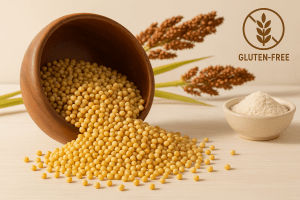
Is Sorghum (Jowar) Gluten Free? Exploring guide for Celiac Disease, Gluten Free and Healthy Living
If you have celiac disease or gluten sensitivity, finding safe...
Read More