Why do we need more fibre in our diet? Did...
Read More
Millet Grain are Superfood of tomorrow!
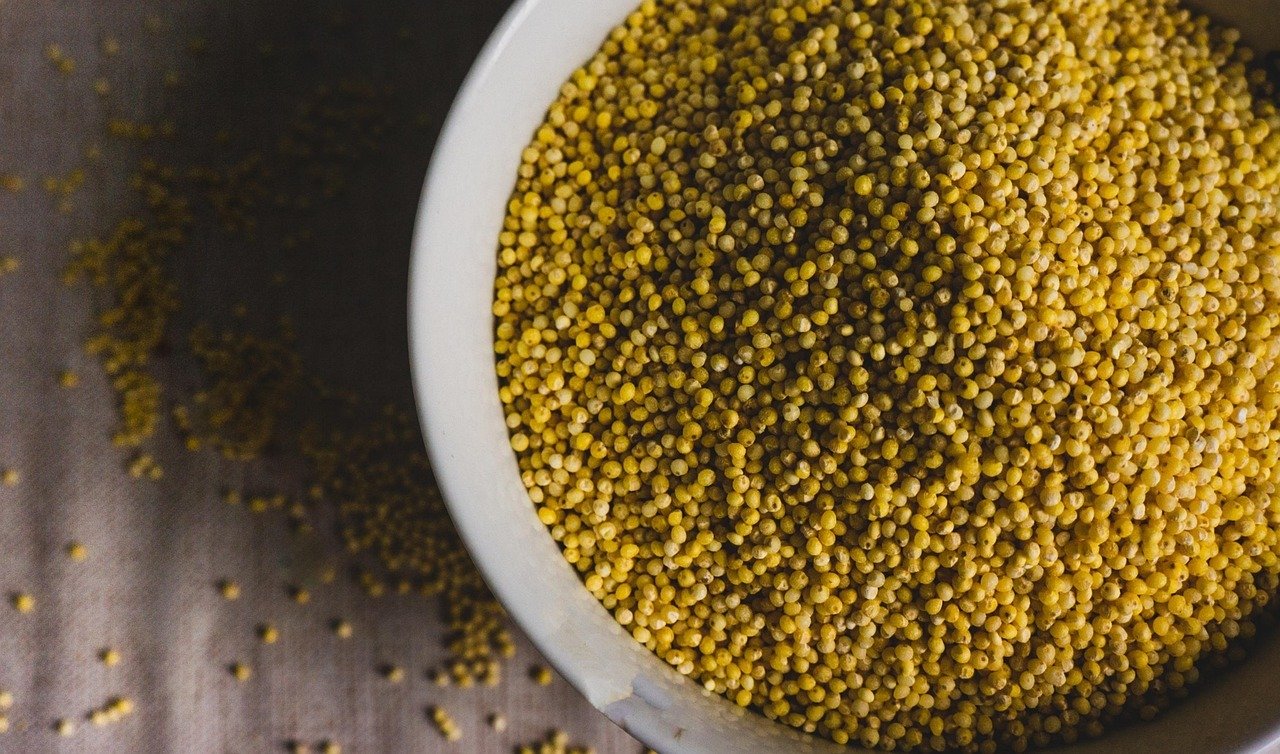
Millets aren’t some new trendy food or grains. They’ve been around for thousands of years! Yes that is true! In fact, they are considered some of the ancient grains – meaning people were eating them way, way before our grandparents were even born.
Evidence suggests that different types of millets were first grown in different parts of the world. For example, some scientists believe that pearl millet, a very common type of millet, people started growing it on purpose in Africa around 5000 years ago! – that’s older than the pyramids!
Another type, foxtail millet, seems to have its roots in China, also thousands of years ago. Other millets like finger millet and proso millet also have long histories in Africa and Asia. This shows us that different cultures, in different places, figured out how useful these little grains were all on their own.
Millets are universal grain!
Over time, as people moved around and traded with each other, millets started to spread across the globe. They became important food sources in many regions.
In India, for example, millets have been a staple food for centuries. They are mentioned in old texts and have been a key part of traditional diets. Different regions in India have their own special ways of cooking and using different types of millets.
Similarly, in Africa, millets weren’t just food; they were often part of cultural practices and ceremonies. Their ability to grow in tough conditions made them incredibly valuable.
Even in Europe, before wheat became the dominant grain, millets were quite common. There’s evidence of millet cultivation in Europe dating back thousands of years.
Why Were Millets So Important?
So, why did our ancestors rely so much on these tiny seeds? Well, millets have some amazing qualities:
Because of these qualities, millets played a crucial role in food security for many communities around the world. They were a dependable source of nourishment, especially in challenging environments.
Future of Millets! Today and Tomorrow
In more recent times, especially with the focus on rice and wheat, millets kind of took a backseat in some parts of the world. However, there’s a growing recognition of their importance again.
People are realizing the nutritional benefits of millets and their ability to grow sustainably. In a world facing climate change, the resilience of millets is becoming increasingly important. They can grow in conditions that might become more common in the future, making them a potential key to future food security.
Farmers in many regions, especially in Asia and Africa, continue to rely on millets. There are also efforts to promote millet cultivation in other parts of the world because of their environmental and health benefits.
Small Ancient Grains!
Millets might be small, but their history is vast and significant. From their ancient origins to their potential in addressing modern challenges, these ancient grains have played a vital role in human history and continue to hold promise for the future. They are a testament to the ingenuity of our ancestors and a reminder of the importance of diverse and sustainable food systems. So, the next time you hear about millets, remember their amazing journey through time and their potential to nourish the world.
Academic References:
For those interested in digging deeper, here are a few academic sources that discuss the history and significance of millets:
Why do we need more fibre in our diet? Did...
Read MoreUnderstanding Your Second Brain Have you ever experienced butterflies in...
Read MoreThe Ancient Grain Making Modern Waves Millets represent more than...
Read MoreIf you have celiac disease or gluten sensitivity, finding safe...
Read More