
Why do we need more fibre in our diet? Did...
Read MoreWhat Are Millets and Why They Matter
Millets are ancient grains that have been feeding people for thousands of years. These hardy crops can grow in difficult weather conditions where rice and wheat might fail. The beauty of millets is that they are naturally gluten-free and contain high quality protein that our body needs.
There are many types of millets available today. Pearl millet, finger millet, foxtail millet, little millet, proso millet, and kodo millet are some common varieties. Each type has its own unique taste and nutritional benefits.
Protein Content in Millets vs Other Grains
When we compare protein levels, millets often perform better than our regular staple grains. Millets contain about 7-12% proteins, which is quite good considering their small size. Pearl millet is believed to contain about 11.6% protein, which is higher than the 7.2% protein found in rice.
The protein quality in millets is also superior. The protein found in finger millet is considered as superior as it encompasses vital amino acids such as lysine, threonine, and valine. These amino acids are building blocks that our body cannot make by itself, so we must get them from food.
Health Benefits of Millet Protein
Protein in millets brings many health advantages. Millet is rich in protein and calcium and has more essential amino acids than most other cereals. This makes millets excellent choice for people who want to build muscle, lose weight, or just maintain good health.
Regular consumption of millet protein can help in:
- Building and repairing muscle tissue
- Supporting immune system function
- Maintaining healthy blood sugar levels
- Providing sustained energy throughout the day
- Supporting bone health when combined with calcium
Different Types of Millets and Their Protein Benefits
- Pearl Millet (Bajra): This is most common millet variety. It has good protein content and grows well in dry areas. Pearl millet protein is complete, meaning it has all essential amino acids.
- Finger Millet (Ragi): Very popular in South India, finger millet is excellent source of calcium along with protein. It is perfect for growing children and elderly people.
- Foxtail Millet: Small grain with big nutrition benefits. Contains good amount of protein and is easy to digest.
- Little Millet: Despite its name, little millet packs considerable protein punch. It cooks quickly and has mild taste.
- Proso Millet: Also called white millet, it has good protein content and can be used like rice in many dishes.
- Kodo Millet: Rich in protein and fiber, kodo millet helps in maintaining healthy weight.
How Millets Compare Nutritionally
Understanding how millets stack against common grains helps us make better food choices. Here is comprehensive comparison:
Nutritional Comparison Table (Per 100g, Raw)
Millet Varieties (IIMR Data):
| Millet Type | Protein (g) | Carbohydrates (g) | Fiber (g) | Iron (mg) | Calcium (mg) |
|---|---|---|---|---|---|
| Pearl millet | 10.6 | 67.5 | 1.3 | 16.9 | 38 |
| Finger millet | 7.3 | 72.0 | 3.6 | 3.9 | 344 |
| Foxtail millet | 12.3 | 65.0 | 8.0 | 2.8 | 31 |
| Proso millet | 12.5 | 68.8 | 2.2 | 0.8 | 14 |
| Kodo millet | 8.3 | 68.0 | 9.0 | 0.5 | 27 |
| Little millet | 7.7 | 67.0 | 7.6 | 9.3 | 17 |
| Barnyard millet | 11.2 | 65.5 | 10.1 | 15.2 | 11 |
| Sorghum | 10.0 | 70.7 | 4.0 | 2.6 | 54 |
Comparison with Other Grains:
| Grain | Protein (g) | Carbohydrates (g) | Fiber (g) | Iron (mg) | Calcium (mg) |
|---|---|---|---|---|---|
| Wheat (whole) | 13.7 | 71.2 | 12.2 | 3.6 | 29 |
| Rice (brown) | 7.9 | 77.2 | 3.5 | 1.5 | 23 |
| Corn (yellow) | 9.4 | 74.3 | 7.3 | 2.7 | 7 |
Source: Indian Institute of Millets Research (IIMR) and scientific literature. Carbohydrate values estimated from published research showing millets contain 65-75% carbohydrates.
Why Millet Protein Is Better Choice
Quantity of dietary fiber in millet is almost double that in rice and comparable to whole wheat. This fiber works together with protein to give us feeling of fullness and helps in better digestion. It is also important to note that Millets are naturallly glenten-free compared to Wheat. Most of the products avaialble in market are from refined wheat where majority of the fibre content is removed during the process.
Millets are a whole grain that’s packed with protein, antioxidants, and nutrients. The combination of protein with antioxidants makes millets powerful food for fighting diseases and maintaining good health.
Unlike processed grains, millets are typically consumed in their whole form. This means we get complete nutrition package including protein, vitamins, minerals, and fiber all together.
Including Millets in Daily Diet
Adding millet protein to our diet is not difficult. We can replace rice or wheat with millets in many recipes. Here are simple ways:
Start breakfast with millet porridge instead of regular cereals. Make rotis using millet flour mixed with wheat flour. Cook millet like rice and serve with vegetables and dal.
For people who are new to millets, it is best to start slowly. Mix small amount of millet with regular grains and gradually increase the portion.
Environmental Benefits of Choosing Millets
Millets are climate-smart crops that need less water and can grow in poor soil conditions. By choosing millet protein over other grains, we also support sustainable farming practices. This is important for our planet’s future.
Many farmers in developing countries grow millets as main crop. Supporting millet consumption helps these farming communities economically.
Important Points to Remember
While millets are very nutritious, they should be part of balanced diet. Like other grains, such as wheat or corn, millet isn’t a low-calorie food, so eat it in moderation. The key is variety and balance in our meals.
Some people might find millets slightly difficult to digest initially. Soaking millets before cooking and chewing food properly can help with digestion.
Future of Millet Consumption
There has been a steep increase in awareness of the nutritional benefits of millets, thus increasing the demand for millets as food and value-added products. This growing interest is good news for our health and environment.
Scientists are working on developing new millet varieties with even better protein content and taste. Food companies are creating millet-based products like pasta, bread, and snacks to make these grains more accessible.
Finally
Protein in millets offers excellent nutritional value that can benefit our health in many ways. These ancient grains provide complete protein along with essential vitamins, minerals, and fiber. By including different types of millets in our diet, we can get variety of nutrients while supporting sustainable agriculture.
The comparison between millets and other common grains clearly shows that millets are nutritionally superior choice for protein needs. Whether we want to build muscle, maintain healthy weight, or just eat better, millet protein can be valuable addition to our meals.
As awareness about millet benefits grows, these humble grains are finding their rightful place in modern kitchens worldwide. Making small changes like replacing some rice or wheat with millets can lead to significant health improvements over time.

Source:https://www.millets.res.in/millets_info.php
References
- PMC – The nutrition and therapeutic potential of millets: an updated narrative review. Available at: https://pmc.ncbi.nlm.nih.gov/articles/PMC11091339/
- PMC – The nutritional use of millet grain for food and feed: a review. Available at: https://www.ncbi.nlm.nih.gov/pmc/articles/PMC8005370/
- Taylor & Francis Online – Harnessing the nutritional profile and health benefits of millets. Available at: https://www.tandfonline.com/doi/full/10.1080/10408398.2024.2417801
- Frontiers in Sustainable Food Systems – Variation in the nutrient content of different genotypes and varieties of millets. Available at: https://www.frontiersin.org/journals/sustainable-food-systems/articles/10.3389/fsufs.2024.1324046/full
- WebMD – Millet: Health Benefits, Nutrients per Serving, Preparation Information, and More. Available at: https://www.webmd.com/diet/health-benefits-millet
- Healthline – What Is Millet? Nutrition, Benefits, and More. Available at: https://www.healthline.com/nutrition/what-is-millet
Your Guts Are Your Second Brain: How Millet Impacts Your Gut Health
Understanding Your Second Brain Have you ever experienced butterflies in...
Read More
Farm to Food: The Gluten Free Baking Revolution featuring Millets
The Ancient Grain Making Modern Waves Millets represent more than...
Read More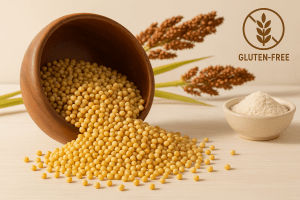
Is Sorghum (Jowar) Gluten Free? Exploring guide for Celiac Disease, Gluten Free and Healthy Living
If you have celiac disease or gluten sensitivity, finding safe...
Read More