What are the Millets? How are they beneficial? How can I eat Millets?

What are Millets

Have you been hearing or seeing in your local supermarket of these tiny grains called millets? Maybe you've seen them popping up in health food stores or on trendy restaurant menus. Millets are more than just a fleeting food fashion; they're ancient powerhouses packed with goodness and making a well-deserved comeback. 

What Exactly ARE Millets?

Simply put, millets are a group of small-seeded grasses that are grown as cereal crops, mainly in dry regions of Asia and Africa. They’ve been a staple food for centuries, nourishing communities long before wheat and rice became dominant. What’s fascinating is that “millet” isn’t just one thing – it’s a whole family of grains, each with its own unique character and benefits.

Think of it like the apple family – you have Granny Smiths, Fuji, and Gala, all apples but with different tastes and textures. Similarly, the millet family includes gems like:

  • Pearl Millet (Bajra): A common type, especially in India and Africa, known for its slightly nutty flavor.
  • Finger Millet (Ragi): A tiny, reddish-brown millet packed with calcium. Often used to make flatbreads and porridge.
  • Foxtail Millet (Kangni): A slightly sweet and nutty millet that cooks up quickly.
  • Little Millet (Kutki): Small and delicate, with a mild flavor, often used in rice dishes.
  • Sorghum (Jowar): While technically a sorghum, it’s often grouped with millets due to its similar nutritional profile and growing conditions. It has a mild, slightly sweet taste.
  • Barnyard Millet (Sanwa): A fast-growing millet with a slightly chewy texture.
  • Kodo Millet (Kodra): A hardy millet with a slightly earthy flavor.

What is the buzz? The Incredible Benefits of Millets

So, why are these ancient grains suddenly becoming so popular? The answer is simple: they’re incredibly good for you! Here are just a few reasons why millets are gaining well-deserved attention:

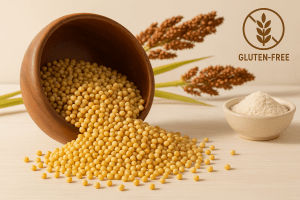
  • Naturally Gluten-Free: This is a big one for many! Millets are naturally free of gluten, making them a fantastic option for people with celiac disease or gluten sensitivity.
  • Packed with Nutrients: Don’t let their small size fool you. Millets are loaded with essential nutrients like fiber, magnesium, phosphorus, iron, and B vitamins. Each type has its own unique nutritional profile, adding to their overall appeal.
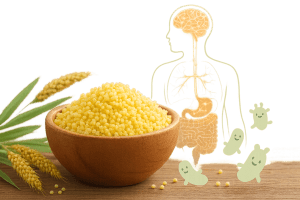
  • High in Fiber: The good amount of fiber in millets helps with digestion, keeps you feeling full for longer (which can aid in weight management), and contributes to stable blood sugar levels.
  • Good for Blood Sugar Control: Many millets have a low glycemic index (GI), meaning they release glucose into the bloodstream slowly, preventing those energy spikes and crashes. This is particularly beneficial for individuals managing diabetes.
  • Heart-Healthy: Studies suggest that incorporating millets into your diet can help lower bad cholesterol levels and blood pressure, contributing to a healthier heart.
  • Rich in Antioxidants: Millets contain antioxidants that help protect your body against damage from free radicals.
  • Sustainable Crop: From an environmental perspective, millets are often more resilient than other grains. They require less water, can grow in poor soil conditions, and are generally less demanding on the planet.

Beyond the Benefits of health and environment: How One can Enjoy Millets?

The beauty of millets lies in their versatility. They can be incorporated into your diet in so many delicious ways! Think beyond just “birdseed” as we call it – these grains can be:

  • Cooked like rice or quinoa: Enjoy them as a side dish with your favorite curries, stews, or vegetables.
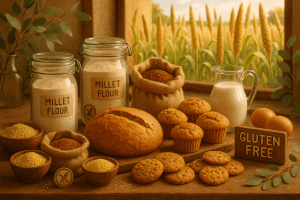
  • Ground into flour: Use millet flour to make gluten-free breads, pancakes, dosas, and more.
  • Made into porridge or upma: A nutritious and comforting breakfast option.
  • Popped like popcorn: Some millets can be popped for a healthy snack.
  • Used in salads and soups: Add cooked millets for extra texture and nutrients.
  • Fermented into beverages: In some cultures, millets are used to make traditional drinks.

The Millet Movement is happening!

Millets are not just a blast from the past; they are a vital part of a healthier and more sustainable future. Their impressive nutritional profile, gluten-free nature, and environmental benefits are making them a star player in the modern food landscape.

So, are you ready to unlock the goodness of millets? Start exploring the different types, experiment with simple recipes, and discover your new favorite grain. Trust me, your body (and the planet) will thank you!

What are your first thoughts on millets? Have you tried them before? Share your experiences and questions in the comments below!

Leave a Reply

Your email address will not be published. Required fields are marked *