
Why do we need more fibre in our diet? Did...
Read MoreUnderstanding Your Second Brain
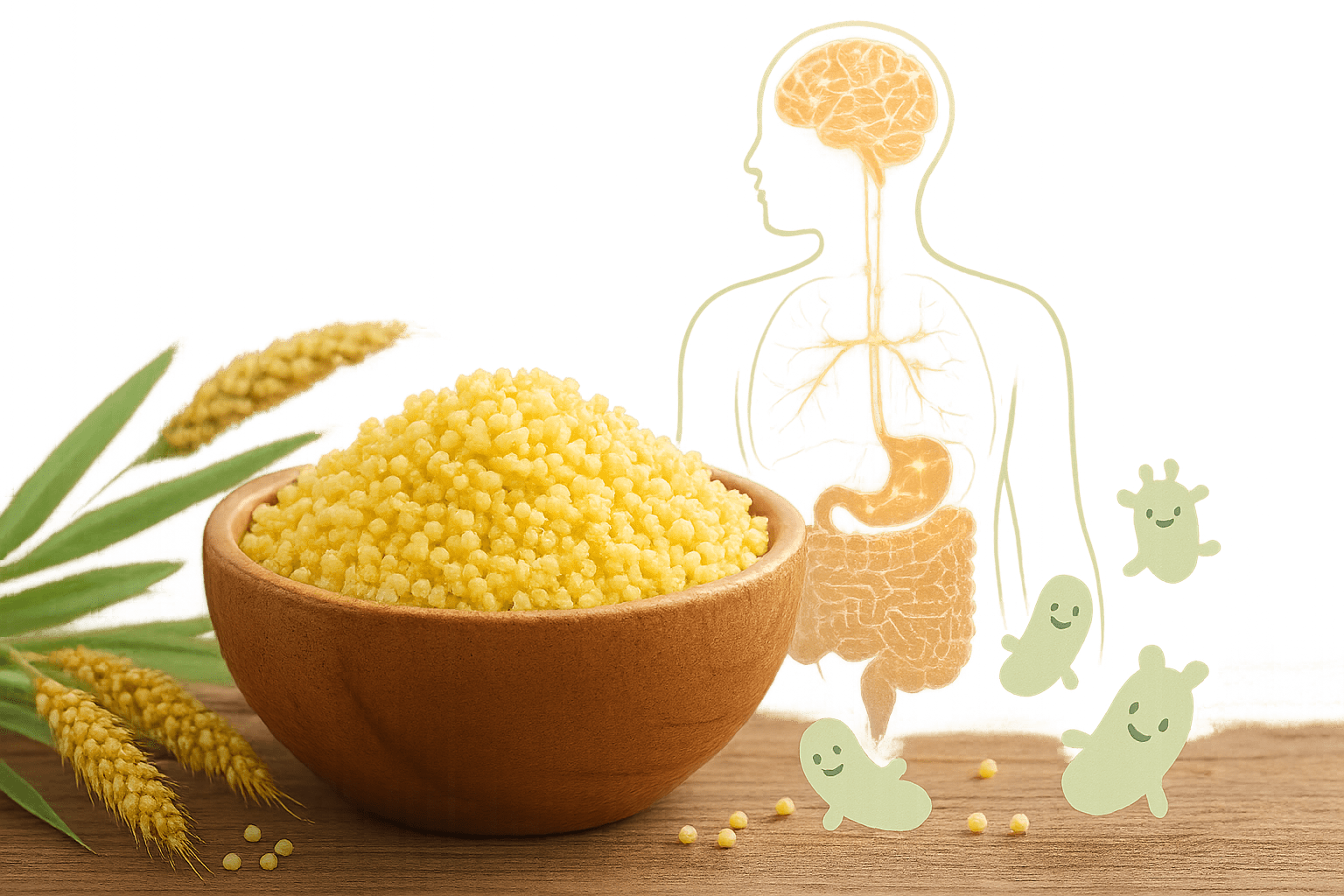
Have you ever experienced butterflies in your stomach when nervous or had a gut feeling about something? These sensations are not just figures of speech. Your gut genuinely has its own nervous system, often called the “second brain.”
The gut brain axis consists of communication between the central nervous system and the enteric nervous system, connecting emotional and cognitive centres of the brain with digestive functions. This network consists of more than 100 million nerve cells lining your digestive system from your throat to your bottom. These nerve cells control digestion, from swallowing to releasing enzymes that break down food to controlling blood flow that helps with nutrient absorption.
Researchers are finding evidence that irritation in the digestive system may send signals to the central nervous system that trigger mood changes. This explains why digestive issues are so often connected with anxiety and depression. Your gut and brain are constantly talking and relaying messages to each other, and what happens in one can significantly affect the other. Think of it as a constant dialogue between your gut and brain.
Disclaimer: The information provided in this blog is for educational purposes only and should not replace professional medical advice. Everyone’s body is different, and what works for one person may not work for another. Before making any significant changes to your diet, especially if you have existing health conditions or concerns, please consult with your doctor, dietitian, or other qualified healthcare professional.
What Makes Millet Special for Your Gut?
Millet is an ancient grain that has been grown for thousands of years. There are many types, including foxtail millet, pearl millet, finger millet, and barnyard millet. Millet is recognised as a grain food in the Australian Dietary Guidelines, alongside wheat, oats, rice, rye, barley, quinoa and corn. What makes millet particularly interesting for gut health is its unique nutritional makeup and how it interacts with the trillions of bacteria living in your intestines.
The Fibre Factor in Millets
One of millet’s superpowers is its high fibre content. Millet porridge contains about 24 per cent amylose, which is important for forming resistant starch. Resistant starch is a type of fibre that resists digestion in your small intestine and travels to your large intestine, where it becomes food for beneficial bacteria.
Think of fibre as fertiliser for the good bacteria in your gut. When these beneficial microbes feast on fibre, they produce substances called short chain fatty acids. These microorganisms transform polyphenols into bioactive metabolites such as short chain fatty acids and phenolic acids, which further enhance antioxidant activity. These fatty acids are crucial for maintaining a healthy gut lining and reducing inflammation throughout your body.
Feeding Friendly Bacteria in your gut!
Your gut is home to trillions of bacteria, both good and bad. The balance between them significantly impacts your overall health. Research has shown that millet porridge increased the diversity of intestinal microflora, with higher diversity leading to improved intestinal health.
Polyphenols from millet promote the growth of beneficial bacteria like Lactobacillus and Bifidobacterium whilst inhibiting harmful species, thus supporting a healthy microbial balance. These friendly bacteria help digest food, produce vitamins, protect against harmful germs, and support your immune system.
Studies have found that millet protein supplementation improved gut microbiome imbalance in metabolic syndrome, specifically increasing beneficial bacteria like Bacteroides acidifaciens. This is particularly important for people dealing with weight management, inflammation, and blood sugar concerns.
How Millet Supports Digestive Movement
Have you ever felt sluggish or uncomfortable due to slow digestion? Foxtail millet has a long history of treating digestive ailments in China, helping coordinate the intestines and stomach, and preventing indigestion.
Studies have demonstrated that intestinal microbiota play a key role in health and affect various physical activities of the host, including digestive movement. When you eat millet, you are not just feeding yourself but also nourishing the bacteria that help keep things moving smoothly through your digestive system.
The resistant starch in millet acts like a gentle broom for your intestines. As a soluble dietary fibre, resistant starch has been described as having a natural regularity effect, which could be due to fermentation, and increases beneficial bacteria found in the intestine.
The Polyphenol powerful health benefits!
Polyphenols are plant compounds with powerful health benefits. Millet is rich in these compounds, and what makes them particularly interesting for gut health is how they behave in your body.
The limited absorption of polyphenols in the small intestine means that most phenolics pass into the colon, where they interact with gut microbiota. This means the good stuff in millet travels all the way through your digestive system, benefiting bacteria along the entire journey.
Quinic acid, a phenolic acid from millet, has been shown to improve the microbiota composition by increasing the abundance of beneficial genera including Bifidobacterium and Weissella, whilst decreasing harmful genera like Escherichia and Shigella. This balance is crucial for reducing inflammation and maintaining a healthy gut barrier.
Protection and Healing Benefits
Your gut lining acts as a protective barrier, letting nutrients through whilst keeping harmful substances out. When this barrier becomes damaged, it can lead to various health problems. The protective mechanism of millet protein against diet induced metabolic syndrome may depend on improved gut barrier function.
Research has shown that millet has a beneficial effect on stomach lining barrier protection. This protective quality helps maintain the integrity of your digestive system, preventing unwanted substances from passing through the gut wall into your bloodstream.
For people dealing with inflammatory bowel conditions, this is particularly relevant. Quinic acid treatment from millet could maintain the intestinal barrier, reduce inflammatory factors, and alleviate symptoms of colitis in studies.
Managing Blood Sugar Through Your Gut
Your gut bacteria plays an important role in how your body handles sugar. Millet supplementation increased short chain fatty acids including acetate, propionate and butyrate, and millet may exhibit beneficial effects by regulating lipid metabolism related gene expression or gut microbiota composition.
Finger millet is enriched in microbiota accessible compounds like prebiotics and polyphenols that are metabolised by the gut microbiota and benefit the health of the host. This interaction between millet’s compounds and your gut bacteria can help with blood sugar regulation and insulin sensitivity.
Practical steps for Adding Millet to Your Diet
Understanding millet benefits to the gut is one thing but one might be wondering how to include it in daily meals. Here are some simple ways to get started:
Start Slowly: If you are not used to eating high fibre foods, introduce millet gradually. A sudden increase in fibre can cause temporary bloating or discomfort as your gut bacteria adjust.
Millet Porridge: Cook millet with water or milk for a warming breakfast. Add fruit, nuts, or a drizzle of honey for extra flavour.
Millet as a Rice Substitute: Use cooked millet instead of rice as a side dish. It has a slightly nutty flavour that complements many meals. When you use millets as rice or millet grain for other recipes, then millet grains must be soaked for at-least 6 hours.
Baking with Millet Flour: Try using millet flour in baking. It works well in pancakes, muffins, and flatbreads.
Millet Salads: Cook millet and let it cool, then toss it with vegetables, herbs, and dressing for a refreshing salad.
Fermented Millet: In many cultures, millet is fermented to make dishes like dosa or idli. Fermentation adds beneficial bacteria whilst making the nutrients more available.
The Australian gluten free market is experiencing significant growth, creating opportunities for millet based products. The Australia Gluten-Free Foods & Beverages Market is growing at a CAGR of 7.82% over the next 5 years, whilst the Australia gluten free bakery market is expected to reach US$ 165.3 million by 2030, with an annual growth rate of 11.3%.
Australian consumers now have access to locally produced and imported millet flours through specialty health food suppliers and online retailers. Australian produced millet flour is available as certified gluten free products, supporting both local agriculture and the growing demand for alternative grains.
The Australian Dietary Guidelines support the inclusion of diverse whole grains, and millets perfectly align with recommendations for increased fibre intake and nutrient density. As awareness grows, millets are becoming recognised as valuable additions to gluten free diets, particularly for their mineral content and low glycemic impact.
Australian Dietary Guidelines Perspective
The Australian Dietary Guidelines recommend eating grain foods, mostly wholegrain varieties such as millet, because they can help protect against heart disease, type 2 diabetes and excessive weight gain and may help reduce risk of some cancers.
Adults in Australia should have at least four to six servings of grains per day with at least two thirds of grain foods eaten recommended to be wholegrain. A serve of millet might be half a cup of cooked millet, which is about 75 to 120 grams.
Wholegrain varieties are preferable because they provide more dietary fibre, vitamins and minerals than refined grain foods. When you choose wholegrain millet, you get all the beneficial components, including the fibre rich outer layers that support your gut bacteria.
Important Considerations
Whilst millet offers many potential benefits for gut health, it is important to remember a few things:
Individual Variation: Everyone’s gut microbiome is unique. What works wonderfully for one person might have different effects for another.
Gradual Introduction: If you have a sensitive digestive system or conditions like irritable bowel syndrome, introduce millet slowly and notice how your body responds.
Balanced Diet: Millet should be part of a varied diet, not the only grain you eat. Different grains offer different nutrients and support different beneficial bacteria.
Proper Preparation: Soaking millet before cooking can help reduce compounds that might interfere with nutrient absorption and make it easier to digest.
Stay Hydrated: When increasing fibre intake through foods like millet, drink plenty of water to help the fibre do its job effectively.
The Bigger Picture
The connection between millet and gut health is part of a larger understanding of how food affects our wellbeing. The gut microbiota has bidirectional communication with intestinal targets, modulating digestive functions and being itself modulated by brain gut interactions.
When you eat millet, you are not just filling your stomach. You are feeding trillions of bacteria that influence your digestion, immunity, mood, and overall health. You are supporting the communication between your gut and brain. You are providing building blocks for a healthy gut lining and anti inflammatory compounds that benefit your whole body.
The gut brain axis is a crucial communication pathway connecting the gut and the brain, with emerging research suggesting that the gut microbiota, which is influenced by dietary factors including fibre intake, plays a vital role in this system.
The antioxidant content in millets is impressive. These compounds help protect against oxidative stress and inflammation, supporting overall health and wellbeing. The phenolic compounds in millets contribute not only to their health benefits but also to their unique flavours and colours.
Your Gut truly is your second brain!
The research on millet and gut health is growing and promising. From supporting beneficial bacteria to protecting your gut lining, from aiding digestion to potentially helping with inflammation, millet offers multiple benefits for your digestive system.
However, remember that good gut health comes from many factors: a varied diet rich in different plant foods, adequate fibre, proper hydration, regular physical activity, stress management, and adequate sleep. Millet can be a valuable part of this approach, but it works best as part of a broader healthy lifestyle.
Your gut truly is your second brain, constantly communicating with your head brain and influencing how you feel physically and emotionally. By choosing foods like millet that support your gut bacteria and digestive health, you are taking an important step towards overall wellbeing.
Before making significant dietary changes, particularly if you have diagnosed digestive conditions, allergies, or other health concerns, speak with your general practitioner or an Accredited Practising Dietitian who can provide personalised advice based on your individual needs and circumstances.
Millet flours benefit from slightly longer mixing times to fully hydrate. Allow batters to rest for 10 to 15 minutes before baking to achieve optimal texture. Store millet flours in airtight containers in cool, dry places, and consider refrigeration for longer storage.
References
- Shan, S., Yin, R., Shi, J., Zhang, L., Zhou, J., Qiao, Q., Dong, X., Zhao, W., & Li, Z. (2024). Gut microbiota remodeling drived by dietary millet protein prevents the metabolic syndrome. Food Science and Human Wellness, 13(4), 1987-2001. https://doi.org/10.26599/FSHW.2022.9250165
- Li, X., Guo, J., Ji, K., & Zhang, P. (2022). Alteration of intestinal microflora by the intake of millet porridge improves gastrointestinal motility. Frontiers in Nutrition, 9, 965687. https://www.frontiersin.org/journals/nutrition/articles/10.3389/fnut.2022.965687/full
- Kumar, S., Shukla, V., Singh, A., & Verma, S. (2024). Exploring the antioxidant mechanisms of millet polyphenols: regulation of Nrf2 and NF-κB and their impact on gut microbiota. Discover Food. https://link.springer.com/article/10.1007/s44187-024-00199-0
- Zhang, L., Liu, R., Niu, Y., Yao, Y., Wang, Y., Zhai, Z., Fan, K., Sun, L., Yang, L., & Liu, B. (2025). Millet Quinic Acid Relieves Colitis by Regulating Gut Microbiota and Inhibiting MyD88/NF-κB Signaling Pathway. Foods, 14(13), 2267. https://www.mdpi.com/2304-8158/14/13/2267
- Zong, X., Fu, J., Xu, B., Wang, Y., & Jin, M. (2019). Effects of millet whole grain supplementation on the lipid profile and gut bacteria in rats fed with high-fat diet. Food Science and Technology Research. https://www.sciencedirect.com/science/article/abs/pii/S1756464619302944
- Carabotti, M., Scirocco, A., Maselli, M. A., & Severi, C. (2015). The gut-brain axis: interactions between enteric microbiota, central and enteric nervous systems. Annals of Gastroenterology, 28(2), 203-209. https://pmc.ncbi.nlm.nih.gov/articles/PMC4367209/
- Chalazonitis, A., & Rao, M. (2022). Enteric nervous system and intestinal epithelial regulation of the gut-brain axis. Journal of Allergy and Clinical Immunology, 150(3), 513-522. https://pubmed.ncbi.nlm.nih.gov/36075637/
- Australian Government National Health and Medical Research Council. (2013). Australian Dietary Guidelines. https://www.eatforhealth.gov.au/guidelines/australian-dietary-guidelines
- Grains & Legumes Nutrition Council. (2022). Grain (cereal) foods, mostly wholegrain and/or high cereal fibre varieties. https://www.eatforhealth.gov.au/food-essentials/five-food-groups/grain-cereal-foods-mostly-wholegrain-and-or-high-cereal-fibre
- Johns Hopkins Medicine. (2024). The Brain-Gut Connection. https://www.hopkinsmedicine.org/health/wellness-and-prevention/the-brain-gut-connection
What is Sorghum
Sorghum is an ancient grain that humans have consumed for thousands of years.
What is sorghum used for?
It really depends which part of the world you are referring to. Africa, Asia, Middle East, South America and many other parts of the world use as a staple food however if you refer to western world it is considered as a bird feed or animal feed and more recently it is being used for alcohole making and some food addition.
How do you eat Sorghum
You can read this blog to understand more about how best to eat sorghum.
Your Guts Are Your Second Brain: How Millet Impacts Your Gut Health
Understanding Your Second Brain Have you ever experienced butterflies in...
Read More
Farm to Food: The Gluten Free Baking Revolution featuring Millets
The Ancient Grain Making Modern Waves Millets represent more than...
Read More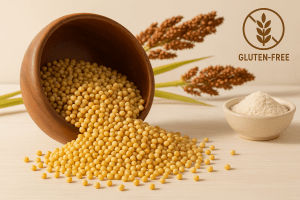
Is Sorghum (Jowar) Gluten Free? Exploring guide for Celiac Disease, Gluten Free and Healthy Living
If you have celiac disease or gluten sensitivity, finding safe...
Read More